

You've likely heard that hyaluronic acid is a hydration powerhouse. It's in seemingly every serum, moisturiser, and treatment product on the shelf. And for good reason, this molecule can hold up to 1000 times its weight in water, making it one of the most effective hydrators in skincare.
But here's what most people don't realise: how you use hyaluronic acid matters just as much as whether you use it. The molecular weight affects where it works in your skin. The way you apply it determines whether it hydrates or actually dehydrates. And your environment plays a surprisingly major role in its effectiveness. If you've been using hyaluronic acid without seeing the plumping, smoothing results you expected, one of these three factors is likely the reason why.
Why Molecular Weight Changes Everything About Hyaluronic Acid
Not all hyaluronic acid is created equal. The size of the molecule, its molecular weight, determines how deeply it can reach your skin and what benefits it delivers at each layer.
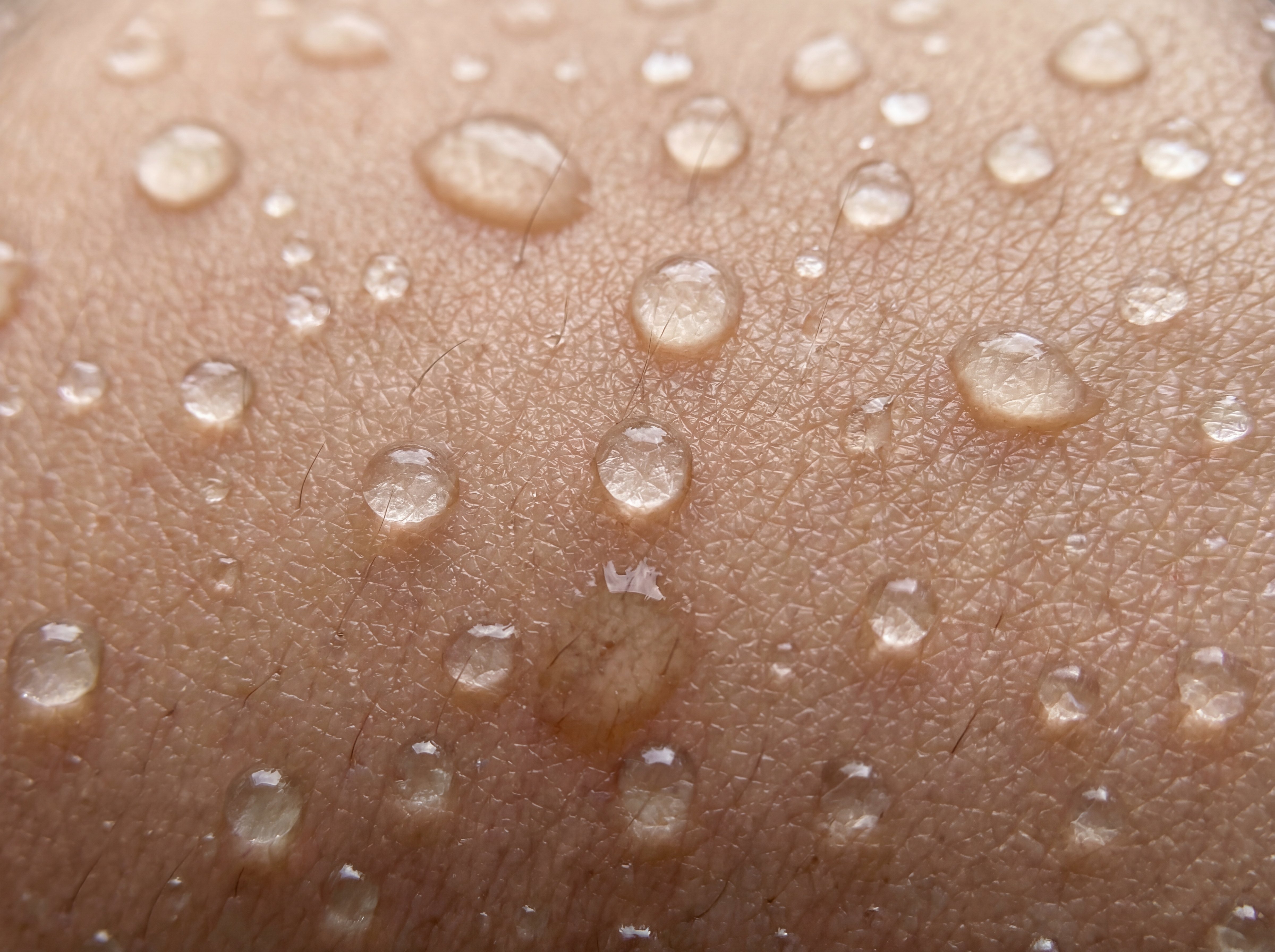
High molecular weight hyaluronic acid (over 1000 kDa) sits on the skin's surface. It can't reach deeply, but that's actually its strength. It forms a moisture-retaining film that prevents water loss and creates that immediate plumping effect you feel after use. This is the molecule responsible for that dewy, hydrated look right after you apply your serum.
Low molecular weight hyaluronic acid (under 50 kDa) reaches into the deeper layers of your skin. It works from within to hydrate at the dermal level, supporting longer-term moisture retention and helping to reduce the appearance of fine lines over time. This is the form that delivers cumulative benefits with consistent use.
The most effective hyaluronic acid products contain multiple molecular weights, a combination that addresses both immediate surface hydration and deeper, sustained moisture. When you're choosing a hyaluronic acid serum, look for products that specify "multi-molecular weight" or list different forms like sodium hyaluronate (low molecular weight) alongside hyaluronic acid (high molecular weight).
This matters especially during hormonal transitions. As oestrogen levels decline during perimenopause and menopause, your skin produces less hyaluronic acid naturally. The multi-layered approach of using different molecular weights helps compensate for this decline at every level of your skin.
Key Takeaways
- Hyaluronic acid is a moisture-binding molecule that can hold up to 1000 times its weight in water, making it essential for skin hydration.
- However, three lesser-known facts greatly impact its effectiveness: molecular weight determines how deeply it reaches your skin, it works best on damp skin (not dry), and climate humidity affects its performance.
- Understanding these factors helps you use hyaluronic acid correctly for maximum hydration benefits, especially during hormonal transitions when s...
The use Timing That Makes or Breaks Results
Here's the counterintuitive truth about hyaluronic acid: if you apply it to completely dry skin, it can actually dehydrate rather than hydrate. This surprises most people, but understanding why this happens changes how you use it.

Hyaluronic acid is a humectant, it attracts and binds water molecules. When you apply it to damp skin, it draws moisture from the water on your skin's surface and locks it in. Perfect. But when you apply it to bone-dry skin in a low-humidity environment, it has nowhere to pull moisture from except deeper layers of your skin. Instead of hydrating, it can draw water up and out, leaving your skin feeling tight and dehydrated.
The solution is simple but specific: apply hyaluronic acid to damp skin right away after cleansing, while your face is still slightly wet. Don't pat completely dry, leave your skin damp to the touch. Then apply your hyaluronic acid serum. This gives the molecule exactly what it needs: readily available water to bind to your skin.
The second critical step: seal it in. Hyaluronic acid needs an occlusive layer over the top to prevent the water it's holding from evaporating. After your hyaluronic acid serum absorbs (give it 30-60 seconds), follow with a moisturiser that contains occlusives like ceramides, squalane, or plant oils. This traps the hydration in place.
This two-step approach, damp use plus occlusive sealing, is especially important for skin having hormonal changes. When your skin barrier is compromised or your natural moisture levels are declining, you can't rely on your skin to hold onto hydration on its own. You need to give it both the water and the mechanism to keep it there.
How Your Climate Secretly Affects Hyaluronic Acid Performance
Your environment plays a surprisingly major role in how well hyaluronic acid works. just, the humidity level around you affects whether hyaluronic acid hydrates your skin or pulls moisture away from it.

In humid environments (above 60% humidity), hyaluronic acid performs beautifully. There's plenty of moisture in the air for it to draw into your skin. This is why hyaluronic acid products often feel amazing during summer or in coastal climates, the ambient humidity provides an endless water source.
But in dry environments, air-conditioned offices, heated homes during winter, arid climates, or airplane cabins, hyaluronic acid faces a challenge. When there's insufficient moisture in the air, it will draw water from wherever it can find it. If your skin isn't properly prepped with water (remember that damp use) and sealed with occlusives, hyaluronic acid can actually pull moisture from deeper skin layers and lose it to the dry air around you.
This doesn't mean you should avoid hyaluronic acid in dry climates. It means you need to adjust your use method. In low-humidity environments, these strategies make hyaluronic acid work well:
Layer it correctly: Apply to damp skin (even more important in dry climates), then right away seal with a richer moisturiser. Consider adding a facial oil as your final step for extra occlusion.
Add a humidifier: If you're in a consistently dry environment, especially during winter heating or in naturally arid climates, a bedroom humidifier helps maintain best humidity levels while you sleep, giving your skincare products the environmental conditions they need to work properly.
Choose formulas wisely: In very dry climates, look for hyaluronic acid serums that already contain occlusive ingredients in the formula, or consider switching to a hyaluronic acid moisturiser rather than a standalone serum during the driest months.
For women having hormonal skin changes, this climate thought becomes even more relevant. Your skin is already producing less natural moisture, and your barrier function may be compromised. Environmental factors that you before didn't notice can now greatly impact how your skin responds to products. Paying attention to humidity and adjusting your routine accordingly isn't overthinking, it's understanding how your skin works in its actual environment.

Featured: Calecim Recovery Night Complex
Stem cell-derived growth factors support skin's natural repair processes
Shop NowPutting It All Together: Using Hyaluronic Acid Correctly
Understanding these three factors, molecular weight, use timing, and climate, transforms hyaluronic acid from a product you use to a tool you wield strategically. Here's how to put this knowledge into practice:
Choose products with multiple molecular weights. Look for serums that specify multi-molecular or list both hyaluronic acid and sodium hyaluronate in the ingredients. This ensures you're addressing hydration at every level of your skin.
Apply to damp skin, always. Make this non-negotiable in your routine. After cleansing, don't pat your face completely dry. Apply hyaluronic acid while your skin is still slightly damp. If you're applying it later in your routine, mist your face with thermal water or a hydrating toner first.
Seal it in. Never let hyaluronic acid be your final step. Follow with a moisturiser that contains occlusives. In dry climates or during winter, add a facial oil as your last layer.
Adjust for your environment. In humid conditions, lighter use and sealing may be sufficient. In dry environments, be more generous with your occlusive layers and consider environmental humidity support.
This approach is especially valuable during hormonal transitions. Your skin's changing needs require more than just adding products, they require understanding how those products work and optimising their performance. Hyaluronic acid remains one of the most effective hydrators available, but only when you use it in a way that respects how the molecule actually functions.

Featured: Dermalogica Pro-Collagen Water Banking Cream
Palmitoyl Tripeptide-5 stimulates the skin's own collagen synthesis by activating TGF-β signalling
Shop Now
Hyaluronic acid deserves its reputation as a hydration hero, but only when you understand how to use it correctly. The molecular weight determines where it works in your skin. The use method determines whether it hydrates or dehydrates. And your environment affects how well it performs. These aren't minor details; they're the difference between a product that transforms your skin and one that disappoints.
For skin having hormonal transitions, these details matter even more. Your skin is already navigating declining moisture production and potential barrier compromise. Using hyaluronic acid strategically, choosing multi-molecular formulas, applying to damp skin, sealing properly, and adjusting for your climate, gives your skin the hydration support it needs during this transition. You're not just adding a product to your routine; you're addressing a basic change in how your skin holds onto moisture. That understanding is what turns knowledge into results.


