You started your retinol routine with real commitment. You were consistent. You were patient. And for a while, it worked.
Then, somewhere around month six or twelve, things just stopped moving. The fine lines held steady. The firmness did not come back. You wondered if you needed a stronger formula, a different brand, or maybe retinol just was not for you.
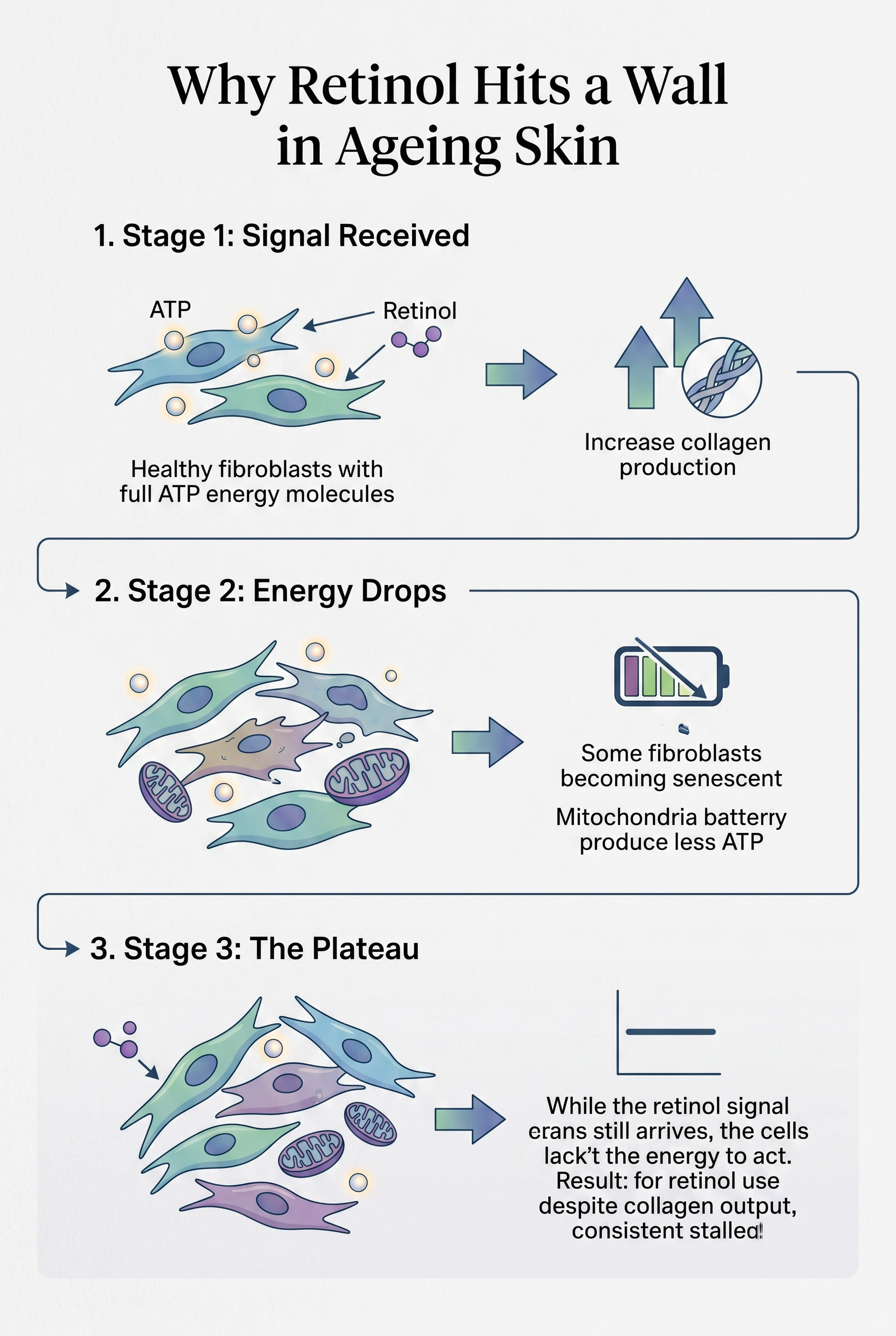
Here is what most skincare advice will not tell you: the retinol plateau is rarely about the retinol. It is about the cells that are supposed to receive the signal. When your fibroblasts (the skin cells that produce collagen and elastin) are running low on cellular energy, they cannot respond to retinol's instructions, no matter how good the formula is. Understanding this one shift changes everything about how you approach ageing skin.
What Does Retinol Actually Do in Your Skin?
Retinol is a form of vitamin A. When you apply it, your skin converts it into retinoic acid, the active form your cells can use. Retinoic acid then binds to receptors inside your skin cells and changes which genes are switched on or off. It speeds up cell turnover, tells fibroblasts to make more collagen, and slows down the enzymes that break collagen down. If you want to understand the full picture of how vitamin A works, our guide on Vitamin A and Retinol covers the key differences in detail.
This process works well when your fibroblasts are healthy and energised. The signal arrives, the cell reads it, and collagen production increases. But here is the catch: sending a signal is only half the equation. The cell receiving it needs the energy to act.
Think of it like sending an urgent message to someone whose phone battery is at two percent. The message arrives. They just cannot do much with it.
What Is the Cellular Energy Crisis Behind the Retinol Plateau?
Every cell in your body runs on a molecule called ATP (adenosine triphosphate). ATP is your cells' energy currency. It powers everything from collagen synthesis to DNA repair. Your mitochondria (tiny structures inside each cell) produce ATP constantly.
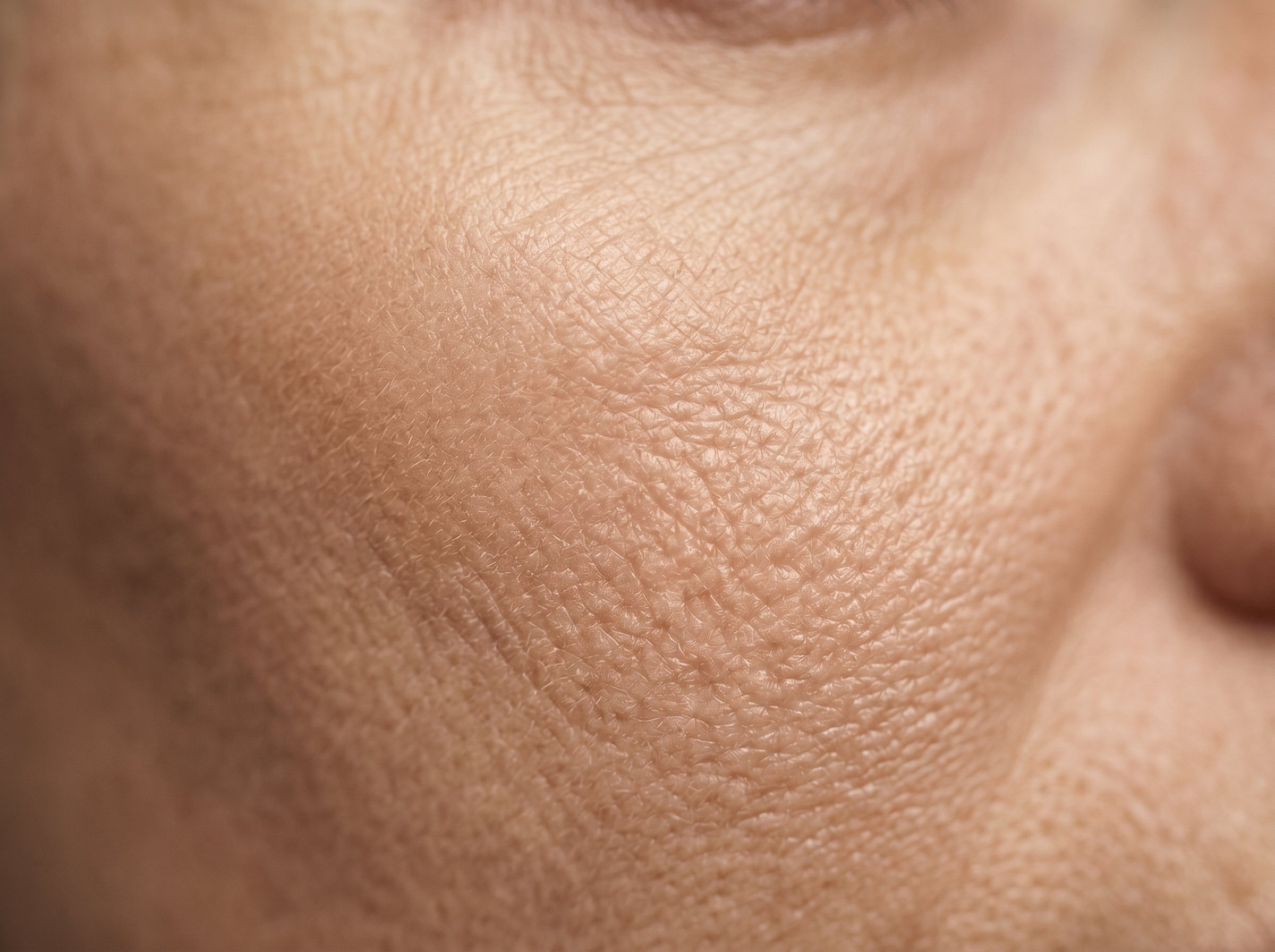
But from your late thirties onward, mitochondrial function starts to decline. ATP production drops. And your fibroblasts begin to struggle.
At the same time, some of your fibroblasts enter a state called cellular senescence. Senescent cells have stopped dividing and stopped doing their job properly. They do not die off as they should. Instead, they sit in your dermis (the deeper layer of skin beneath the surface) and release inflammatory signals that damage the healthy cells around them. Research shows that senescent cells accumulate significantly from your forties onward, and their presence is directly linked to collagen loss and reduced skin resilience.
When you apply retinol to skin full of energy-depleted or senescent fibroblasts, the signal arrives but the workforce is not there to act on it. That is the retinol plateau. It is a cellular energy problem, not a product problem. Our article on starting the retinol journey covers what to expect when you begin. But this deeper layer of the story is what most guides leave out.
Key Takeaways
- This is called the retinol plateau.
- It is not a sign that retinol is the wrong choice.
- It is a sign that your skin needs cellular energy support alongside the signal itself.
How Does ATP Depletion Show Up on Your Skin?
You may not think of energy when you look in the mirror, but ATP depletion has very visible effects. When fibroblasts cannot produce enough energy, collagen synthesis slows down. Existing collagen fibres break down faster than new ones are made. Skin loses density and firmness.
Fine lines deepen. Recovery from irritation takes longer. The skin's barrier (its outermost protective layer) becomes harder to maintain.
Another sign is reduced skin luminosity. Healthy, energised cells turn over at a steady pace, bringing fresh cells to the surface. When that turnover slows due to low cellular energy, the surface can look dull and uneven. Hydration retention also drops, because the proteins that hold water in the skin require energy to function properly.
These changes often get blamed on the wrong things: the wrong products, not enough actives, or simply getting older. But the root cause, in many cases, is a cellular energy deficit that no topical signal can fix on its own. This is also why your circadian rhythm affects your skin more than people realise, since cellular repair and ATP production both peak during sleep.
What Is PDRN and Why Does Cellular Energy Matter for Ageing Skin?
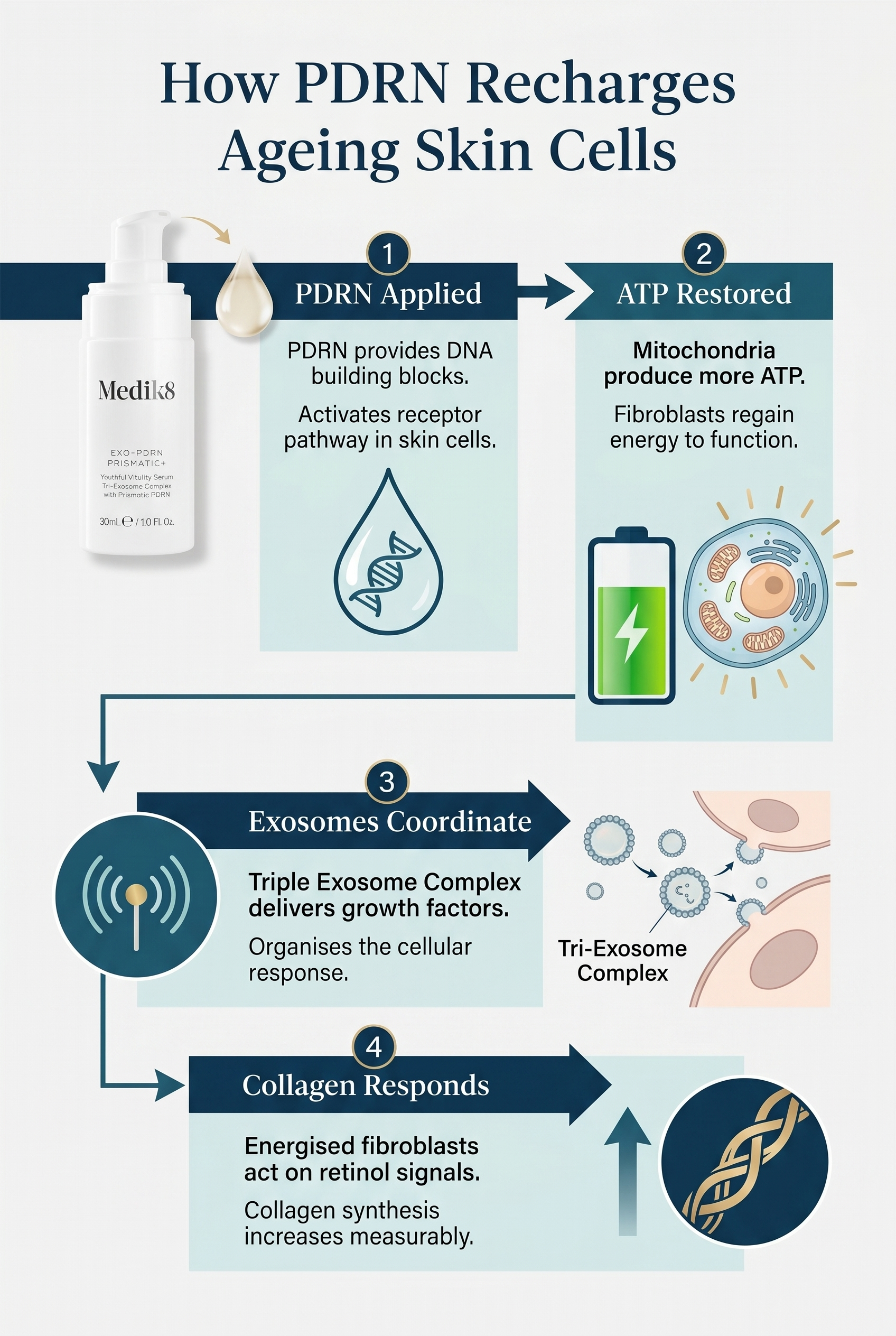
PDRN stands for polydeoxyribonucleotide. It is a purified DNA fragment that provides the raw building blocks your cells need for repair and energy production. When applied topically, PDRN activates a receptor pathway that boosts cellular metabolism and ATP synthesis. In simple terms, it refuels the cells that retinol is trying to instruct.
This is a fundamentally different approach from most ageing skincare. Most actives work by sending signals: grow more collagen, shed old cells faster, reduce pigment production. PDRN works by restoring the capacity to respond to those signals. It addresses the energy deficit that sits beneath the plateau.
Clinical research supports this mechanism. Ex vivo studies (tests done on human skin tissue outside the body) show that PDRN can boost cell proliferation by over 50 percent. That is not a surface effect.
That is a measurable change in how actively your skin cells are working. When combined with exosomes (tiny messenger particles that carry growth factors and genetic instructions between cells), the effect is amplified further. Exosomes help coordinate the cellular response, ensuring the energy boost translates into organised regeneration rather than scattered activity.

Featured: Exo-PDRN Prismatic+
A full-spectrum face serum that boosts skin's natural rejuvenation by over 50%.
Shop NowShould You Stop Using Retinol if You Have Hit a Plateau?
No. Retinol is still one of the most evidence-backed ingredients in skincare. Decades of research confirm that it modifies gene expression, supports collagen synthesis, and slows the breakdown of existing collagen.
The signal it sends is valid and important. The issue is not the signal. It is the receiver.
The smarter approach is to support cellular energy alongside your retinol routine, not instead of it. When your fibroblasts have the ATP they need to function, they can actually respond to the instructions retinol delivers. The two approaches work together: one restores capacity, the other directs it.
If you are new to retinol or still building your routine, our guide on Crystal Retinal is worth reading. It covers one of the more advanced retinoid forms now available. For those already using retinol consistently, the next step is not a stronger formula. It is addressing what sits beneath the plateau.
What Does a Smarter Ageing Routine Look Like?
Once you understand the energy problem, your routine strategy shifts. You are no longer just stacking actives. You are layering signals with the cellular support needed to act on them. A well-structured routine for ageing skin in this context has three priorities: restore cellular energy, protect what is already there, and continue sending the right signals.
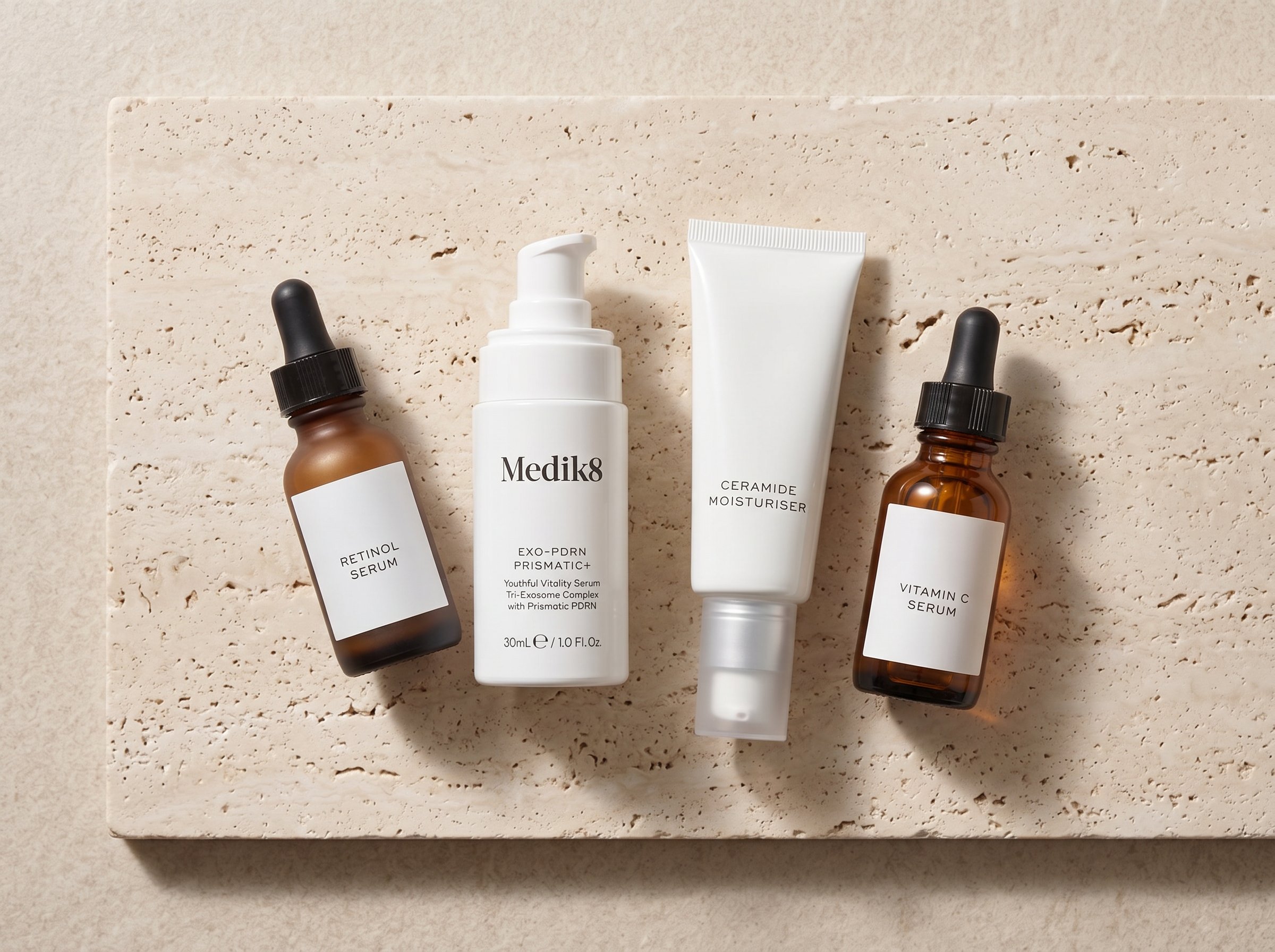
In the morning, focus on protection. A stable vitamin C serum (look for L-ascorbic acid at 10 to 20 percent) guards against oxidative stress that depletes cellular energy. Follow with a broad-spectrum SPF 50 or higher. In Australia, UV exposure is one of the most powerful accelerators of fibroblast senescence, so sun protection is not optional. It is foundational.
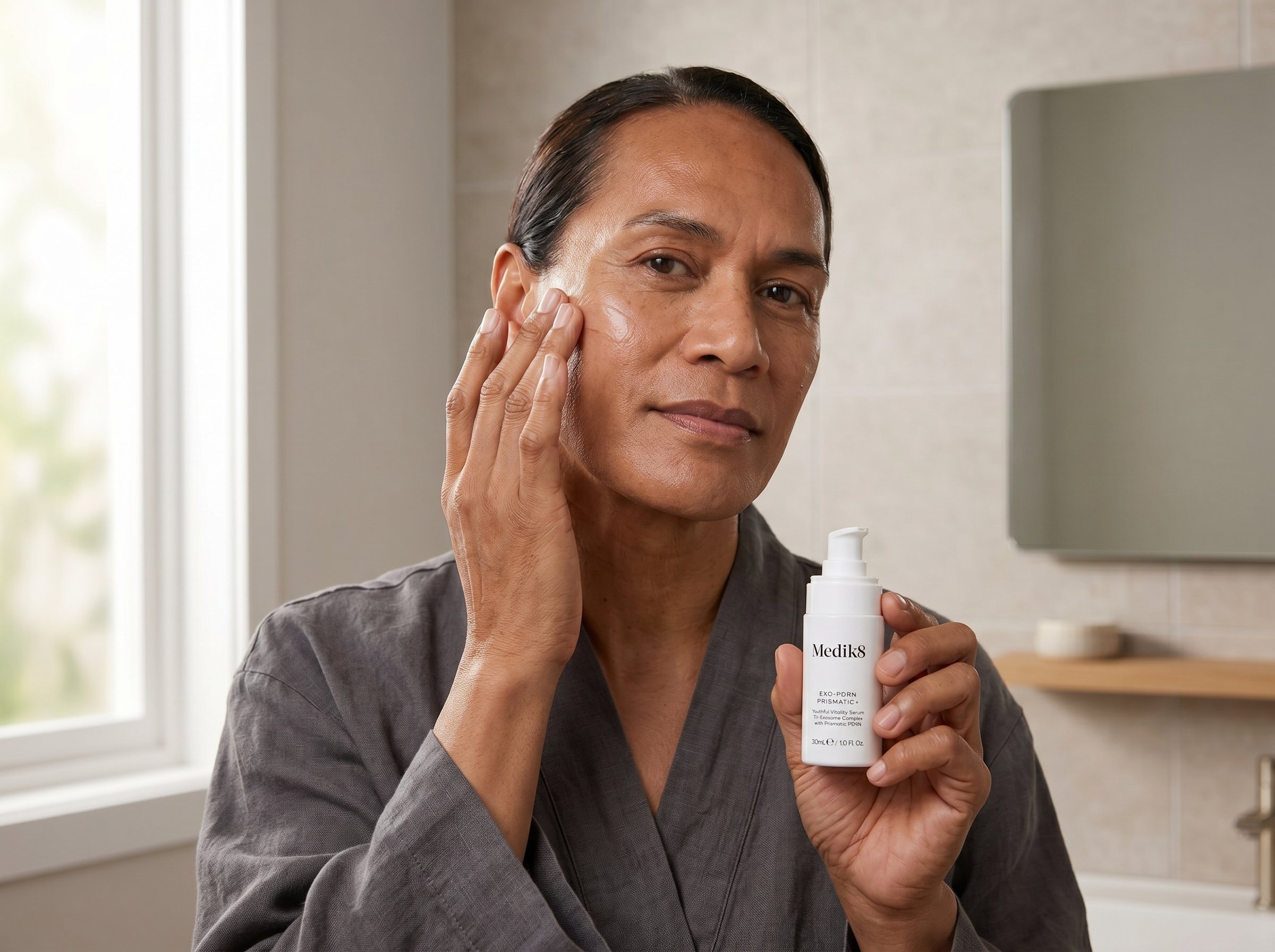
In the evening, apply your retinol or retinoid after cleansing. Then layer a PDRN and exosome serum, such as Exo-PDRN Prismatic+, to support the cellular response. Niacinamide (a form of vitamin B3) at 4 to 5 percent is a valuable addition at any step. It supports NAD+ production, which is the fuel your mitochondria use to make ATP. Finish with a ceramide-rich moisturiser to protect the barrier overnight.
The retinol plateau is one of the most common and least understood frustrations in ageing skincare. You did everything right. You were consistent, patient, and thorough. The issue was never your commitment or your product. It was the cellular energy crisis happening beneath the surface, one that no retinol formula alone can solve.
When you understand that your fibroblasts need fuel to act on the signals they receive, your whole approach shifts. You stop chasing stronger actives and start supporting the cells that do the actual work. That is where real, lasting change happens. If you are ready to move beyond guesswork and build a routine that addresses both the signal and the capacity to respond, explore Exo-PDRN Prismatic+ and start your Skin Blueprint to get a plan built around your skin, not just your symptoms.


