
You finish cleansing and your skin feels tight. Not clean-tight. Uncomfortable-tight. Like your face needs a drink of water before you can do anything else. If that sounds familiar, your cleanser is likely working against your skin barrier, not with it.
That post-cleanse tightness is one of the most common signs of barrier dehydration. It tells you that your cleanser has removed more than dirt and sunscreen. It has stripped away some of the natural fats and moisture factors your skin needs to stay healthy. The good news is that the right hydrating cleanser changes this completely. Here is what is actually happening to your skin, and what to look for instead.
Why Do Some Cleansers Leave Skin Feeling Tight?
Your skin's outer layer, the stratum corneum, is held together by a mix of natural fats called ceramides and lipids. Think of these fats as the mortar between bricks. They hold your skin cells together and keep moisture locked in. When that mortar is intact, your skin feels comfortable, looks plump, and resists irritation.
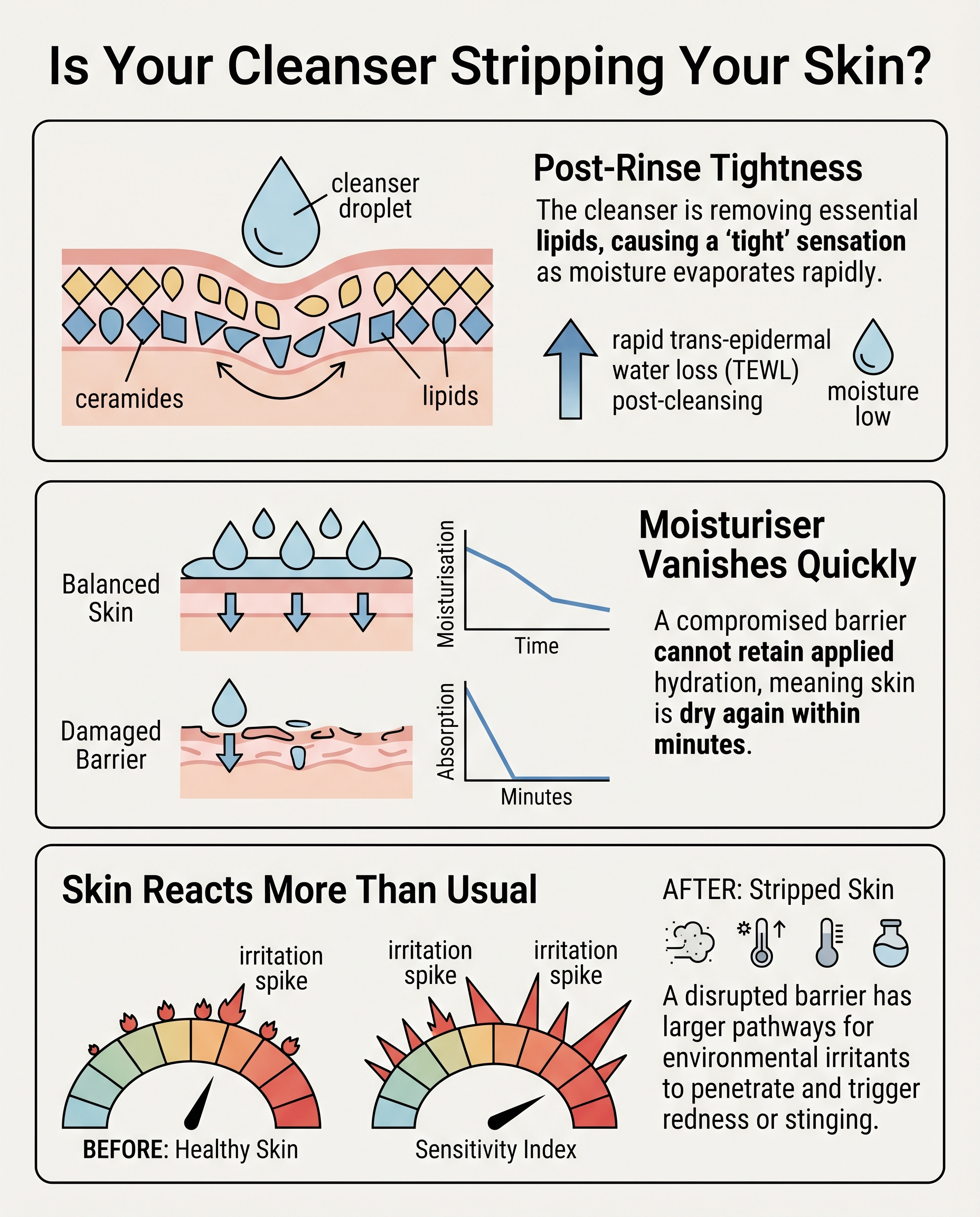
Many cleansers contain surfactants (the ingredients that create lather and lift away dirt) that are too aggressive for this lipid layer. They do not just remove makeup and pollution. They also strip away some of those essential fats.
The result is a compromised barrier that loses water faster than it can replace it. This water loss is called transepidermal water loss, or TEWL. Elevated TEWL is the direct cause of that tight, dry, uncomfortable feeling after cleansing.
Harsh surfactants like sodium lauryl sulphate (SLS) are a common culprit. They are effective at removing oil, but they do not distinguish between the grime you want gone and the lipids your barrier needs. Understanding the difference between dry and dehydrated skin helps here.
Dry skin lacks oil. Dehydrated skin lacks water. A stripping cleanser can cause dehydration in any skin type, including oily skin.
What Does a Barrier-Friendly Hydrating Cleanser Do Differently?
A barrier-friendly hydrating cleanser is built around one core idea: clean the skin without compromising what keeps it healthy. That means using a gentler surfactant system, adding ingredients that attract and hold moisture, and supporting the skin's natural defences rather than disrupting them.
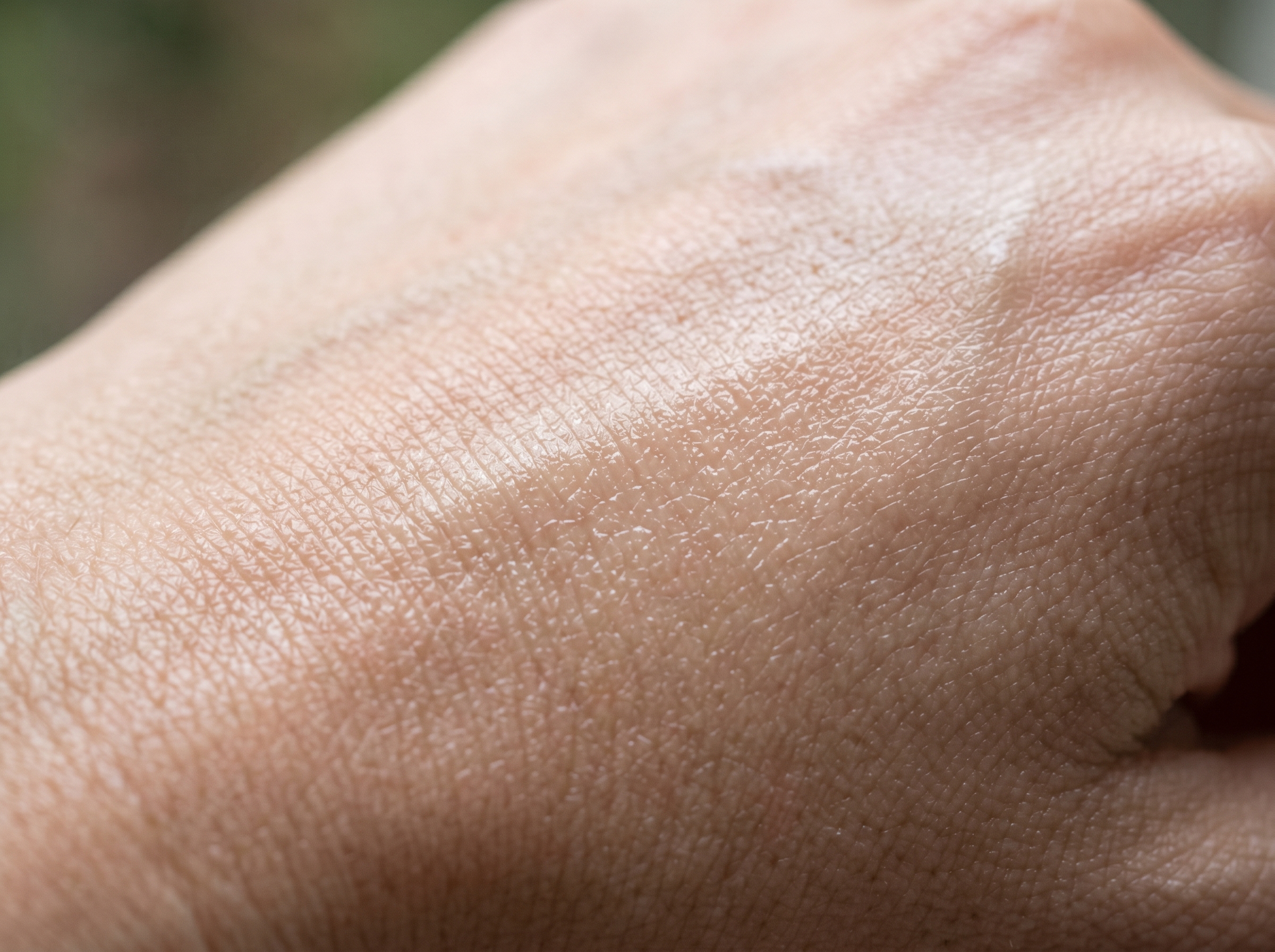
Gentle or smart surfactants clean effectively at lower concentrations. They lift away makeup, sunscreen, and daily grime without the aggressive stripping that harsher options cause. Your skin comes out clean, but the barrier's lipid structure stays largely intact. That is the foundation of a cleanser that works with your skin.
The next layer is hydration support. Humectants are ingredients that attract water molecules and hold them in the skin. Hyaluronic acid (a naturally occurring sugar molecule in your skin) is the most well-known humectant.
Glycerin is another. When a cleanser includes humectants, it actively draws moisture toward the skin during the cleanse rather than pulling it away. Some formulas include what are called Moisture Magnets, a moisture-regulating complex designed to help the skin hold onto hydration through the cleansing process and beyond.
The third layer is microbiome support. Your skin hosts billions of beneficial microorganisms that help regulate its immune response, pH, and barrier function. Harsh cleansers disrupt this community.
Ingredients like prebiotic inulin (a plant-derived fibre that feeds good bacteria on the skin) help keep this ecosystem balanced. A healthy microbiome is a quieter, more resilient skin. Learn how your full routine can support skin resilience over time.
How to Read a Cleanser Label: What to Look For and What to Avoid
You do not need a chemistry degree to choose a better cleanser. A few key things on the label tell you most of what you need to know.
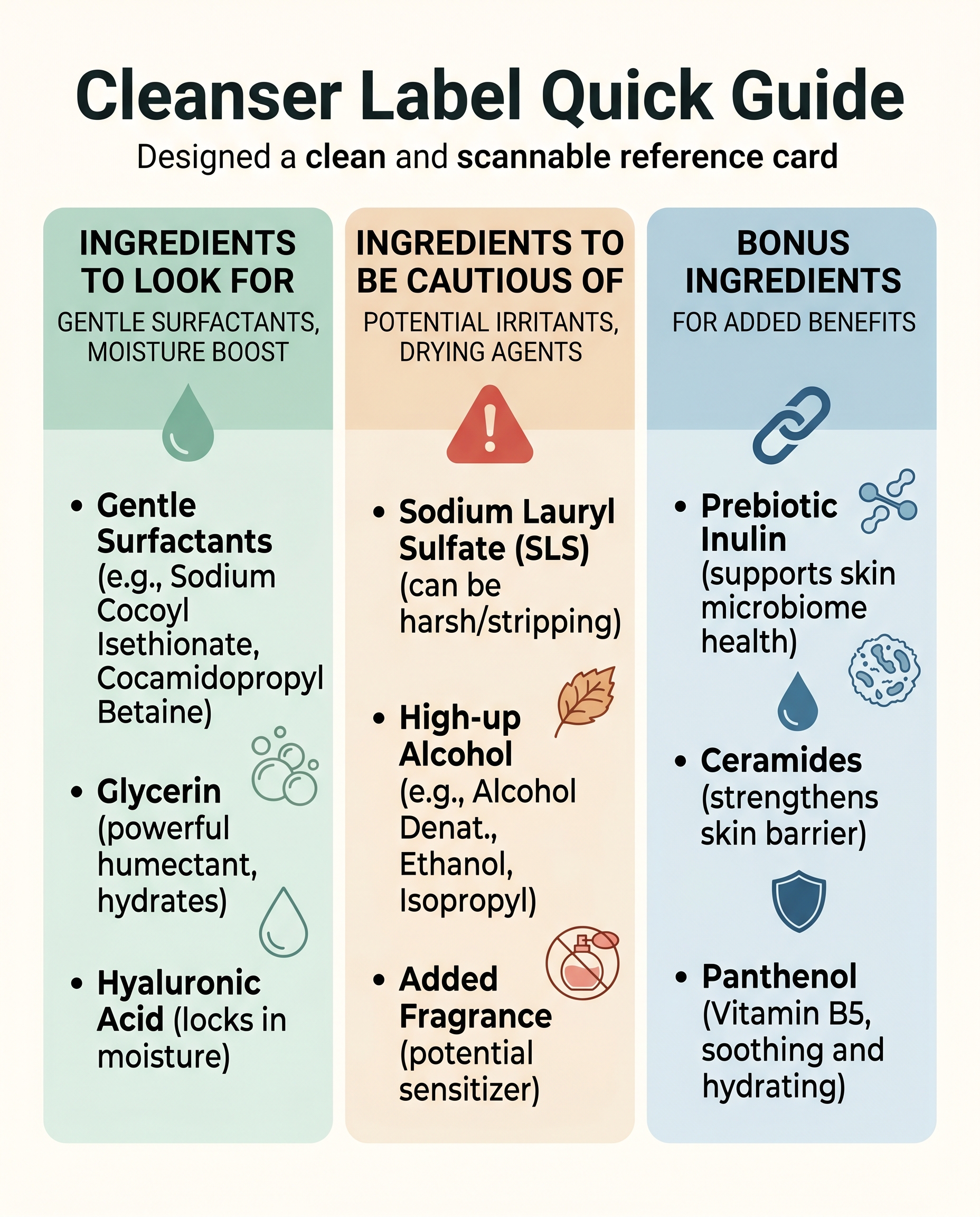
Look for: Gentle surfactants such as coco-glucoside, decyl glucoside, or sodium cocoyl isethionate. These clean effectively without the aggressive stripping of SLS. Look for humectants like glycerin, hyaluronic acid, or sodium PCA (a naturally occurring component of the skin's own moisture factors). Prebiotic ingredients like inulin are a bonus. Fragrance-free formulas are worth seeking out, especially if your skin is reactive or sensitive, as added fragrance is a common irritant.
Be cautious of: Sodium lauryl sulphate (SLS) and sodium laureth sulphate (SLES) at high concentrations. Alcohol listed high in the ingredients (not all alcohols are drying, but ethanol and isopropyl alcohol can be). Heavy fragrance or essential oils, which can disrupt the barrier in sensitive skin.
It is also worth noting that pH matters. Your skin's surface sits at around pH 4.5 to 5.5, which is mildly acidic. This acidity supports your microbiome and helps enzymes in the barrier work properly. A cleanser with a pH that is too high (too alkaline) disrupts both. Most well-formulated gentle cleansers are designed to stay close to the skin's natural pH range.
Should You Cleanse Differently in the Morning and Evening?
Yes, and the reason comes down to what your skin actually needs to remove at each time of day. Your evening cleanse is the heavy lifter. It needs to remove SPF, makeup, pollution, and the sebum that has built up during the day. A thorough cleanse at night is one of the most important things you can do for your skin's overnight repair process. Your skin's circadian rhythm means it does its deepest repair work while you sleep, and that process works better on a clean surface.
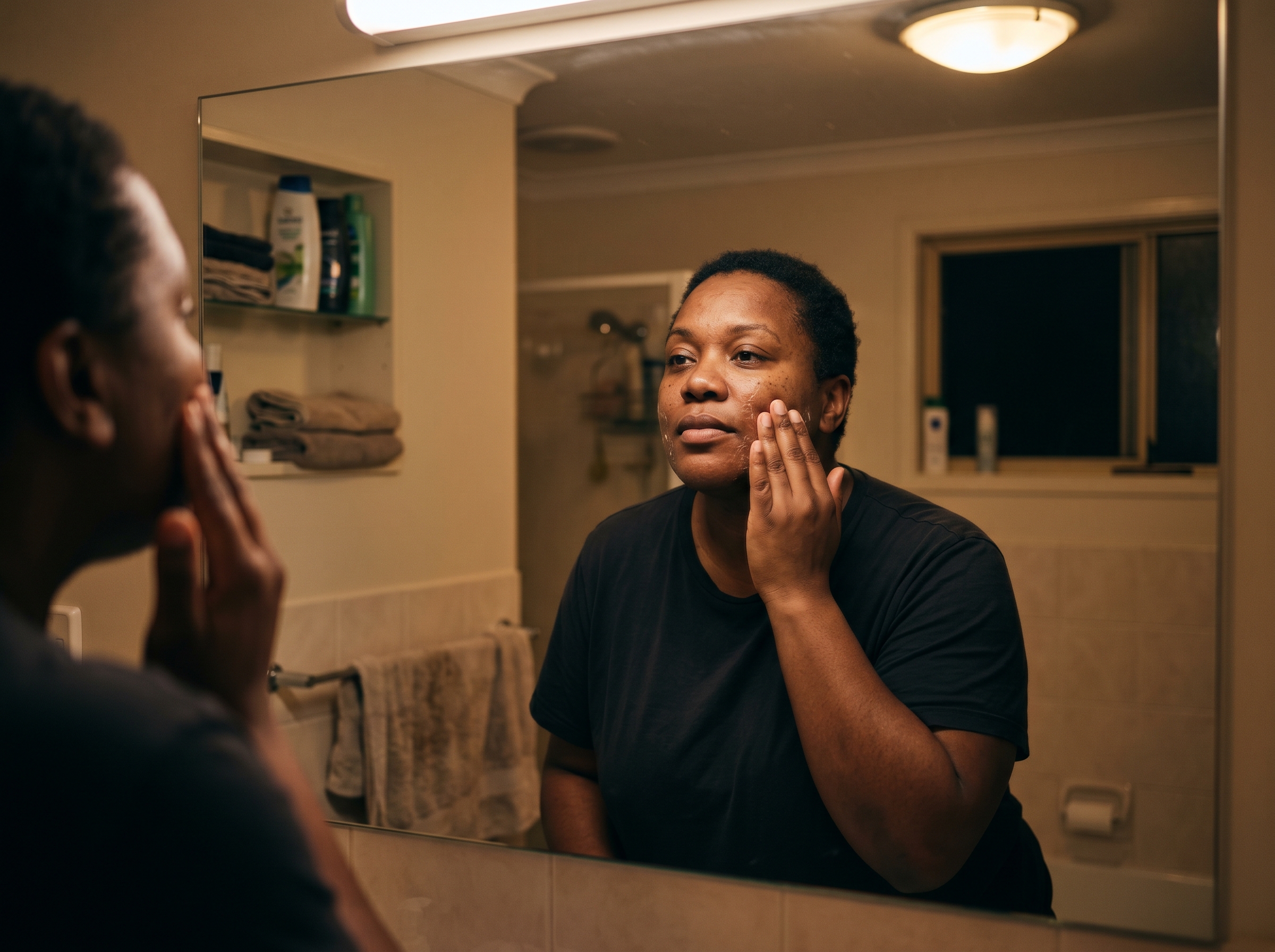
Your morning cleanse is a different story. Overnight, your skin has not been exposed to pollution or SPF. It has been repairing itself and producing natural oils.
A gentle rinse or a light cleanse is usually all that is needed. Using a strong cleanser in the morning strips away the moisture your skin has worked to rebuild overnight. For most skin types, a hydrating gel cleanser used with cool to lukewarm water is more than enough to refresh the skin in the morning without causing unnecessary dehydration.
Water temperature also matters more than most people realise. Hot water increases TEWL and can dilate blood vessels, which is a problem for anyone whose skin runs reactive or red. Cool or lukewarm water is gentler on the barrier and just as effective at activating a well-formulated cleanser.
Key Takeaways
- A hydrating cleanser removes makeup, sunscreen, and daily grime without stripping the skin's natural moisture barrier.
- Most cleansers that leave skin feeling tight contain harsh surfactants that disrupt the barrier's lipid layer, causing water to escape.
- A barrier-friendly hydrating cleanser uses gentle surfactants, humectants to attract moisture, and ingredients like prebiotic inulin to support the skin's microbiome.
- The result is clean skin that feels comfortable, not tight or dry, straight...
A Worked Example: Medik8 Total Moisture Daily Cleansing Gel
When we look for a cleanser that puts these principles into practice, the Medik8 Total Moisture Daily Cleansing Gel is a strong example of the approach done well. It is built around a smart surfactant system that removes makeup and SPF effectively without aggressive stripping. That is a meaningful distinction. Many gentle cleansers compromise on cleansing power. This one does not.
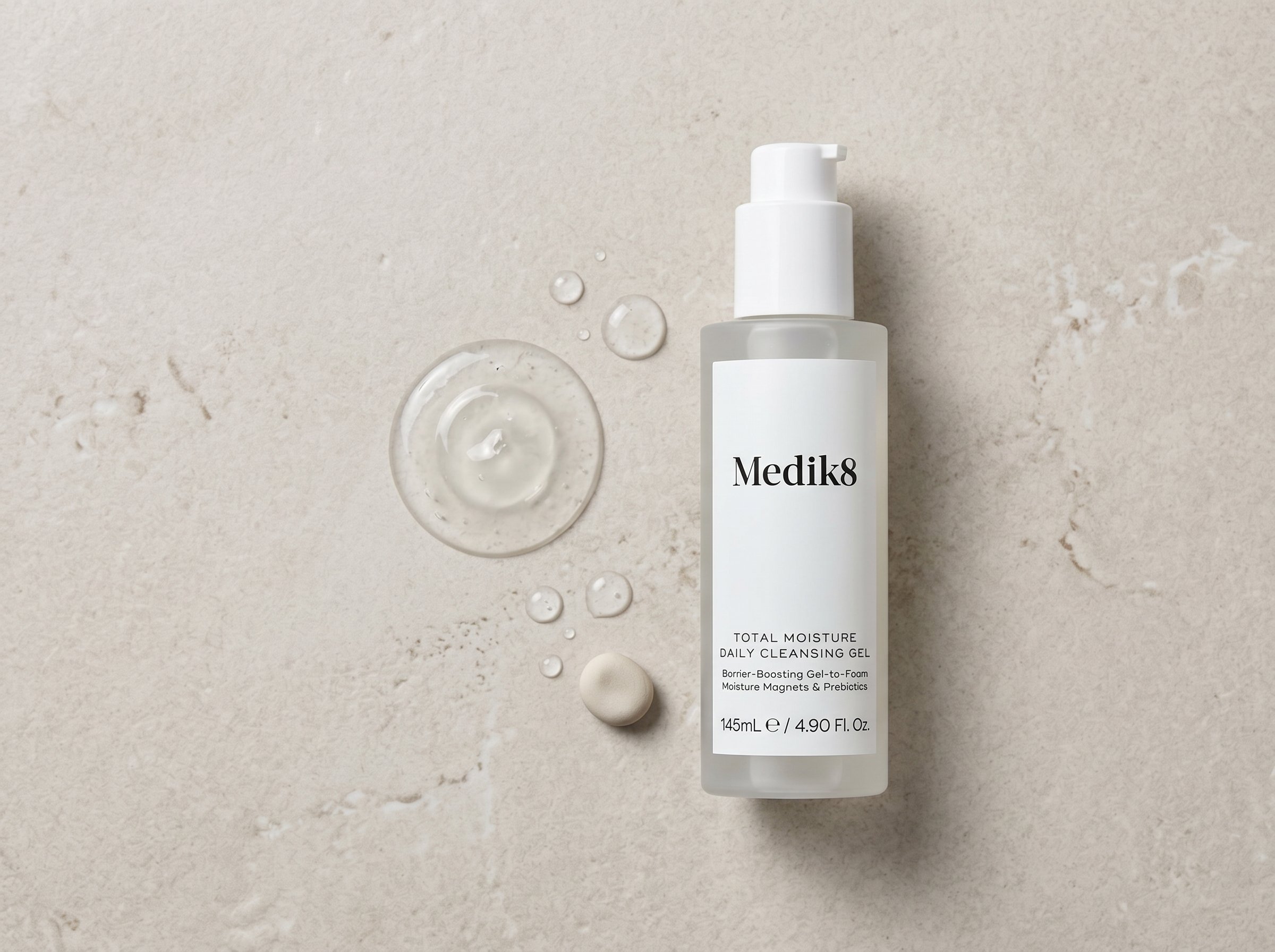
The formula includes Moisture Magnets, a moisture-regulating complex that helps the skin maintain hydration through and after the cleanse. It also includes prebiotic inulin to support the skin's microbiome. It is fragrance-free, which makes it suitable for sensitive and reactive skin. And because it works as a universal formula, it suits all skin types, including dry and dehydrated skin that has struggled to find a cleanser that does not leave it feeling stripped.
This is the kind of product we recommend not because it is new. But because it reflects a clear understanding of what the cleansing step should and should not do. It cleans.
It protects. It does not compromise the barrier in the process. If you want to understand where cleansing fits in the bigger picture of your routine, this guide on product order is worth reading.
What Happens After You Switch to a Hydrating Cleanser?
Most people notice a difference within the first few uses. That post-cleanse tightness eases. Skin feels more comfortable straight after rinsing. Over the following weeks, as the barrier stabilises and TEWL reduces, skin tends to look less dull and react less to other products in the routine.
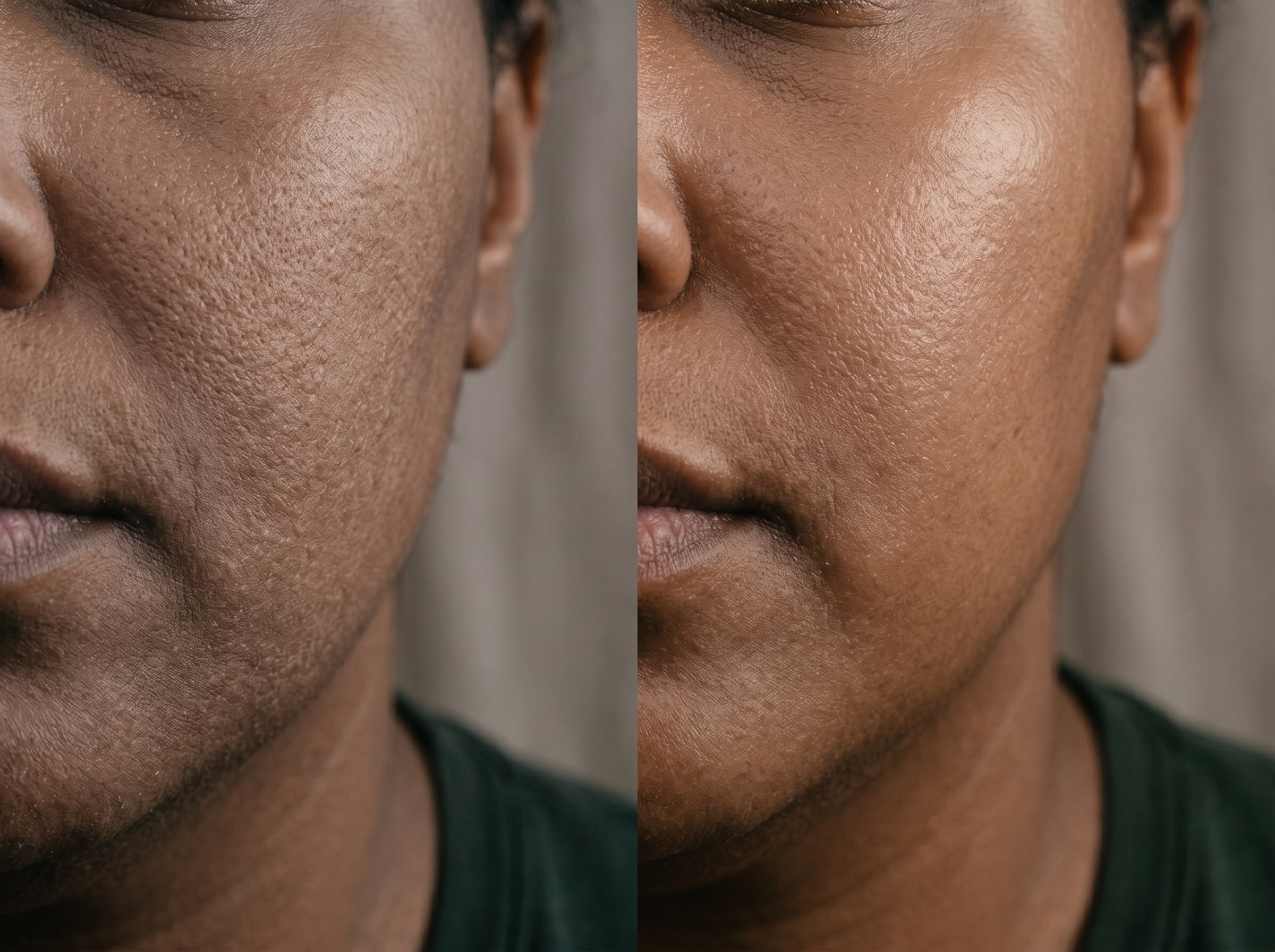
This matters because a compromised barrier makes everything else in your routine less effective. Serums absorb unevenly. Moisturisers seem to disappear within an hour. Skin reacts to products it used to tolerate. Fixing the cleansing step does not fix everything, but it removes a daily source of barrier damage that is holding everything else back.
The other thing worth knowing is that your moisturiser works harder when your barrier is intact. If you are unsure whether your skin is dry or dehydrated, that distinction will also help you choose the right support products to use after cleansing. A hydrating cleanser is the start of the system, not the whole answer.
That tight feeling after cleansing is not a sign of clean skin. It is a sign that your barrier has been compromised. The cleansing step happens twice a day, every day.
Over time, a stripping cleanser creates a cycle of barrier damage that makes everything else in your routine work harder than it needs to. Switching to a hydrating cleanser with gentle surfactants, humectants, and microbiome support is one of the most practical changes you can make for long-term skin health.
If you are not sure where your skin sits right now, or which products are genuinely right for your barrier, talk to one of our skin therapists who can help you. We look at your skin, your routine, and your environment before we recommend anything. Because the right cleanser for you depends on more than a skin type label. Reach out today and take confident control of your skin journey.
y.


