
If your skin reacts to almost everything, a change in weather, a new product, even stress, you are not imagining it. And it is not because you have chosen the wrong products. There is something deeper going on at a cellular level, and once you understand it, the whole pattern starts to make sense.
The sensitivity cycle is a loop your skin can get stuck in. swelling damages your barrier. A damaged barrier lets more triggers in. More triggers cause more swelling.
Around and around it goes. What most people do not realise is that one key molecule sits at the centre of whether your skin can break this loop or stay trapped in it. That molecule is NAD+ (nicotinamide adenine dinucleotide), and its decline may be the missing piece in your reactive skin story.

What Is the Sensitivity Cycle and Why Does It Keep Repeating?
Your skin has a built-in causing swelling response. When it detects a threat, UV rays, bacteria, a harsh ingredient, it triggers a cascade of chemical signals to protect and repair. This is healthy. The problem starts when that response never fully resolves.
Think of it like a fire alarm that keeps going off even after the fire is out. Your skin cells keep sending causing swelling signals (called cytokines) long after the original trigger is gone. This low-grade, ongoing swelling quietly damages your skin barrier over time. And a damaged barrier is a leaky one.
Irritants, allergens, and moisture all pass through more easily. That means more triggers reach your immune cells, which sets off more swelling. The cycle locks in.
Many people with reactive skin feel this without knowing it. Their skin feels tight, flushed, or easily irritated. Products that used to work start causing reactions.
Redness lingers longer than it should. These are signs your skin is stuck in the loop, not signs that your skin is simply "too sensitive" to treat. Stress also plays a real role in keeping this cycle going, which is worth understanding if your flare-ups seem tied to life events.
What Is NAD+ and What Does It Have to Do With swelling?
NAD+ stands for nicotinamide adenine dinucleotide. It is a coenzyme found in every living cell. Think of it as the fuel your cells need to do their jobs. Without enough NAD+, your cells cannot run the repair and regulation processes that keep your skin balanced.
Here is where it gets relevant for reactive skin. NAD+ is directly involved in controlling your skin's causing swelling response. It activates a group of proteins called sirtuins, which act like regulators for swelling. Sirtuins help switch off causing swelling signals once they have done their job. They also support DNA repair in skin cells, which is important because damaged cells send out more distress signals and keep swelling running.
When NAD+ levels are high, your skin cells can resolve swelling efficiently. When NAD+ drops, this regulatory system weakens. causing swelling signals keep firing. The sensitivity cycle deepens. Research published in Nature Metabolism and other peer-reviewed journals has confirmed that NAD+ levels decline greatly with age. And that this decline is linked to reduced cellular repair capacity and increased causing swelling activity in tissues including skin.
So the question is not just what is triggering your skin. It is whether your cells have enough energy to resolve the response once it starts.
Key Takeaways
- The sensitivity cycle happens when your skin's cells lack the energy to resolve swelling properly.
- NAD+ (nicotinamide adenine dinucleotide) is a coenzyme your skin cells need to run repair processes and calm causing swelling responses.
- When NAD+ declines with age and stress, your skin gets stuck in a loop of reactivity it cannot break on its own.
- Restoring NAD+ at the cellular level supports your skin's natural ability to resolve swelling, strengthen its barrier, and respond more proportionat...

Why Does NAD+ Decline, and What Makes It Worse?
NAD+ levels naturally drop with age. By your mid-30s, cellular NAD+ can be greatly lower than it was in your 20s. But age is not the only factor. Several everyday things speed up this decline.
UV exposure is a major one. When UV rays damage your skin's DNA, your cells use up NAD+ rapidly to run the repair process. This is called PARP activation (poly ADP-ribose polymerase), and it consumes NAD+ faster than your cells can make it. If you live in Australia and spend time outdoors, this is a constant drain on your cellular reserves. Understanding UV exposure year-round matters more than most people realise.
Chronic stress, poor sleep, and environmental pollution also deplete NAD+. So does the causing swelling process itself. This creates a cruel irony: the more inflamed your skin is, the more NAD+ it burns through. This leaves even less available to resolve that swelling. It is another loop within the loop.
For people with reactive or sensitive skin, this depletion happens faster and hits harder. Your skin is already working overtime to manage causing swelling responses. It needs more cellular energy, not less. Your skin's repair cycles also follow a circadian rhythm, meaning the timing of NAD+ depletion and recovery matters too.
How Does Restoring NAD+ Help Break the Loop?
When you restore NAD+ at the cellular level, you are giving your skin cells the resources they need to do what they are designed to do. Not suppress swelling completely, which would actually harm your skin's ability to heal. But resolve it properly, at the right time, so the cycle can end.
Here is what changes when NAD+ levels improve. Sirtuin activity increases, which helps dial down excess causing swelling signalling. DNA repair becomes more efficient, which means fewer damaged cells sending out distress signals. Barrier function improves because skin cells have the energy to produce ceramides (natural fats that hold your barrier together) and other structural proteins. And your skin becomes less reactive over time, not because it has been numbed, but because its resolution system is working again.
This is different from applying a soothing cream on top of reactive skin. It is addressing the cellular reason your skin keeps reacting in the first place. It is the difference between calming a fire every time it starts versus fixing the wiring that keeps sparking it.

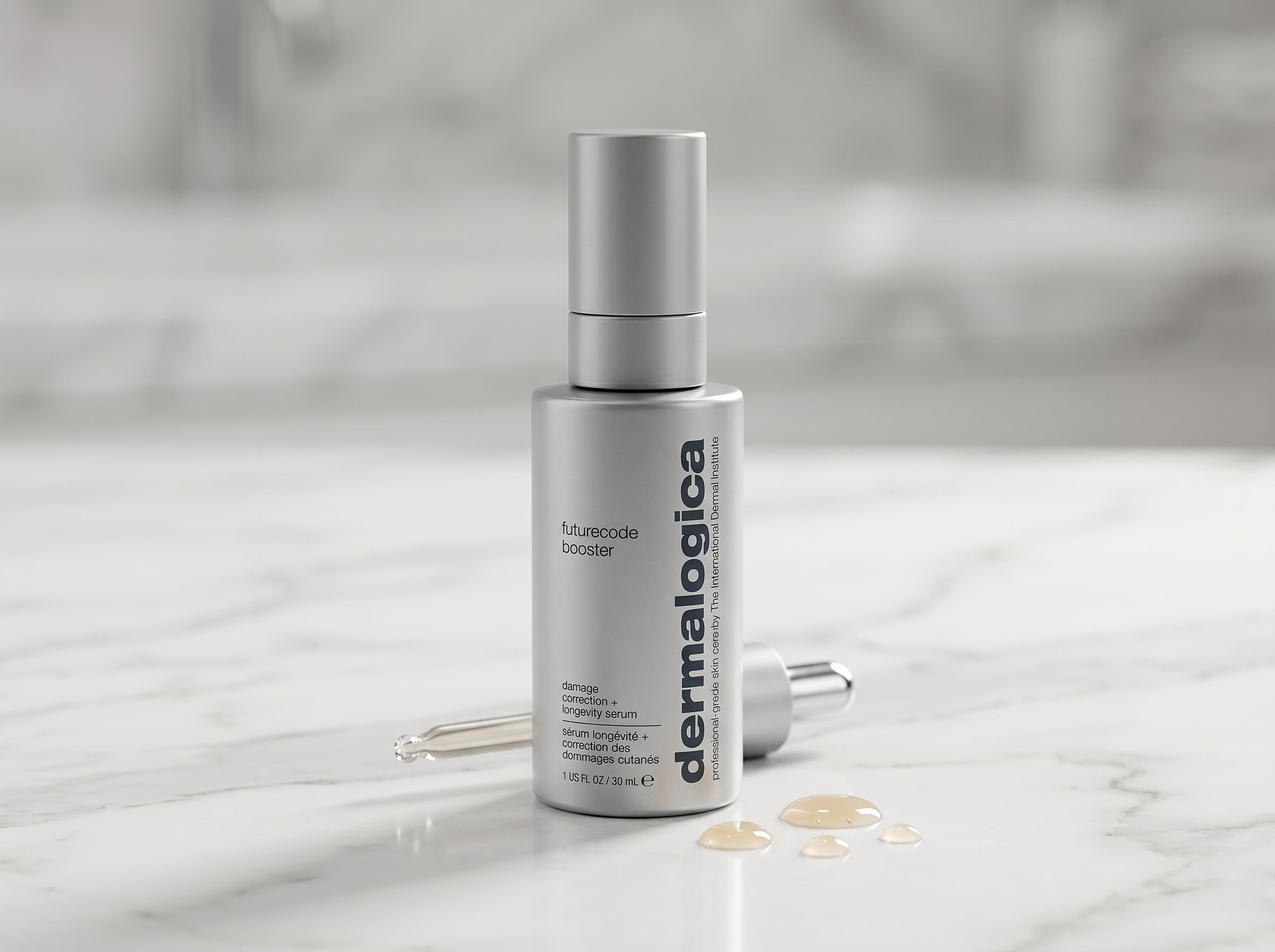
Featured: FutureCode Booster
Advanced booster that helps extend the longevity of healthy-looking skin by supporting natural skin repair and reducing visible signs of DNA-relate...
Shop NowWhat to Look for in a NAD+ Restoring Serum
NAD+ cannot be applied directly to skin in a useful form. The molecule is too large to reach well on its own. Instead, look for ingredients that support your skin cells in producing and using NAD+ more efficiently.
Niacinamide (vitamin B3) is one of the most studied. It is a direct precursor to NAD+, meaning your cells convert it into NAD+ as part of normal metabolism. It also reduces causing swelling cytokine production and strengthens your skin barrier by boosting ceramide levels.
Teprenone is another key ingredient. It activates longevity genes called telomerase and supports mitochondrial health, helping cells maintain their energy output over time. Sunflower sprout extract has shown promise in supporting cellular resilience against oxidative stress, which also depletes NAD+.
The form matters too. NAD+ support has often been delivered in heavy creams, which are not always suitable for reactive or sensitive skin. A lightweight serum format means you can layer it under your existing routine without adding texture or potential irritants.
How to Add NAD+ Support to a Reactive Skin Routine
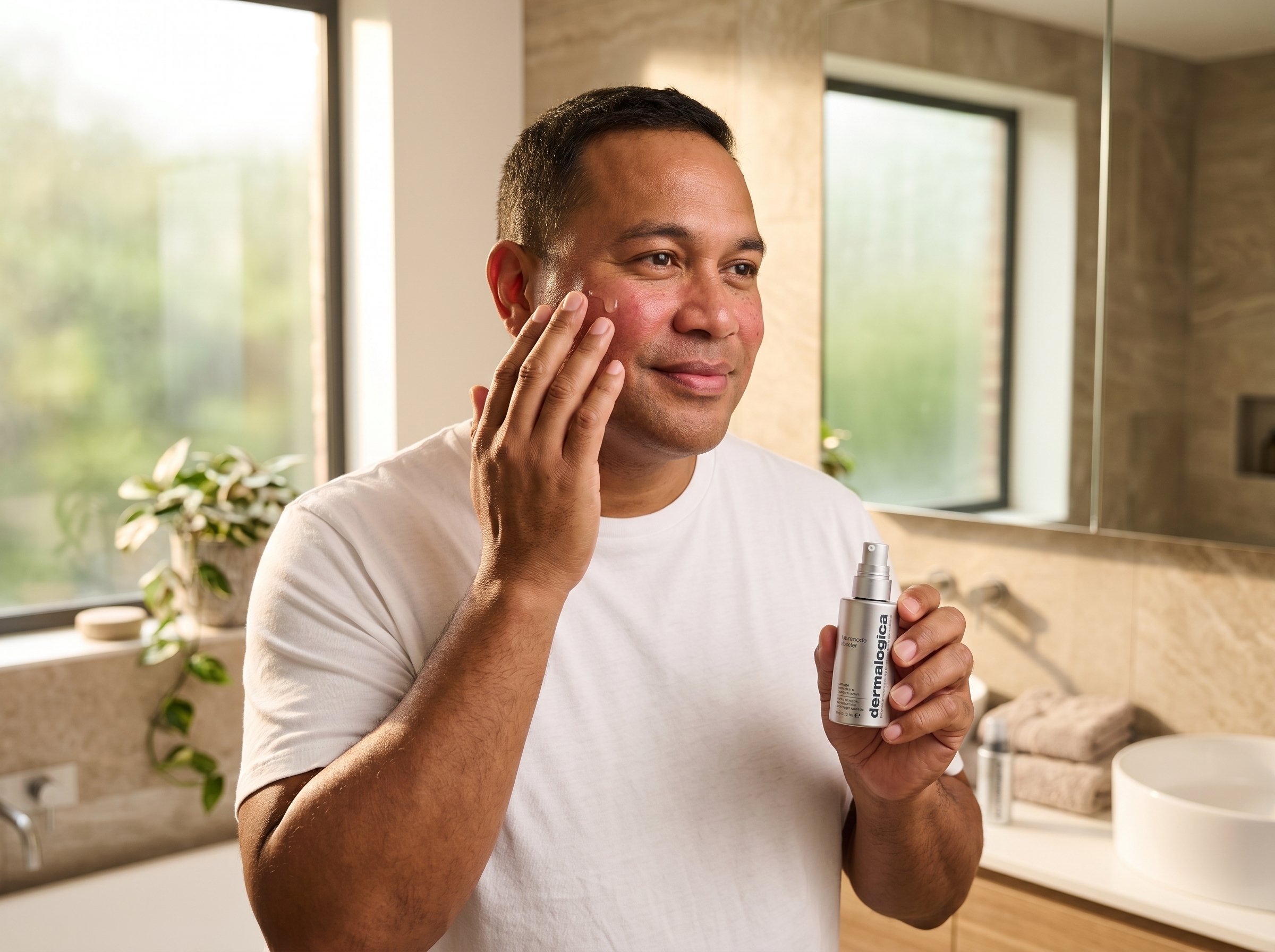
If your skin is reactive, introducing anything new needs care. The goal is to support your cells without overwhelming a barrier that is already under stress. Start with a low frequency, every second or third evening, and watch how your skin responds over two to three weeks before increasing use.
Layer your NAD+ booster after cleansing and before your moisturiser. This lets the active ingredients reach deeper layers of your skin before you seal them in. Avoid mixing it with strong actives like high-percentage acids or retinol on the same use until your skin has adjusted. Product order matters more than most people realise, and getting it right makes a real difference for reactive skin.
Expect a gradual shift rather than a dramatic one. Cellular repair takes time. Most people notice their skin reacts less intensely within four to six weeks.
Redness resolves faster. Their tolerance for other products slowly improves. This is your skin's resolution system coming back online, not a quick fix layered over the same underlying problem.
If you want a plan built around your specific triggers and skin patterns, starting your Skin Blueprint gives you a personalised roadmap rather than a generic routine.
Sensitive and reactive skin is not a personality trait. It is a sign that your skin's cells are struggling to resolve swelling the way they should. The sensitivity cycle is real, and it is driven by something most skincare conversations miss entirely: the cellular energy your skin needs to break the loop.
NAD+ sits at the centre of that process. When levels are supported, your skin's resolution system works. swelling peaks and then resolves. Your barrier holds.
Your skin becomes less reactive over time, not because it has been suppressed, but because it has been given what it needs to function. If you want to understand exactly what your skin needs and why, speak to our skin experts to understand exactly where this fits in your routineSkin Blueprint . Because the right plan for your skin starts with understanding it first.


