
You notice it every autumn. Your skin looks a little duller. It feels thinner somehow. The firmness you had in summer seems to have quietly packed up and left with the warm weather. You're not imagining it, and it's not just ageing.
What's happening is a real, measurable shift in how your body manages blood flow when temperatures drop. Less warmth at the surface means less circulation, less oxygen reaching your skin cells. And less support for the proteins that keep your skin dense and firm. This is your skin responding to its environment, and once you understand why, you can actually do something about it.
What Is Intrinsic Ageing, and What Does Autumn Have to Do With It?
Intrinsic ageing is the kind driven by time and genetics. Your cells divide more slowly as you get older. Collagen production drops by about 1% each year after your mid-twenties.
Elastin, the protein that helps skin snap back into place, becomes less effective. These changes happen regardless of season, climate, or lifestyle. They are gradual, internal, and largely inherited.
But autumn adds a separate layer on top of this. Cooler air triggers a process called vasoconstriction, your blood vessels narrow to conserve heat and protect your core temperature. Blood flow is redirected inward, away from your skin's surface. This is completely normal and clever biology. But it does mean your skin gets less of what it needs to stay firm and oxygenated.
The two processes, intrinsic ageing and seasonal circulatory change, are not the same thing. But they do compound each other. Understanding the difference matters because it changes what you can actually influence. You cannot stop intrinsic ageing. But you can absolutely support your skin's circulation and oxygenation through the cooler months.
How Does Reduced Blood Flow Affect Skin Firmness?
Your skin relies on blood flow for more than just a healthy flush. Blood carries oxygen and nutrients directly to skin cells, including the fibroblasts (the cells that build collagen and elastin). When circulation slows, these cells get less of what they need to do their job well.
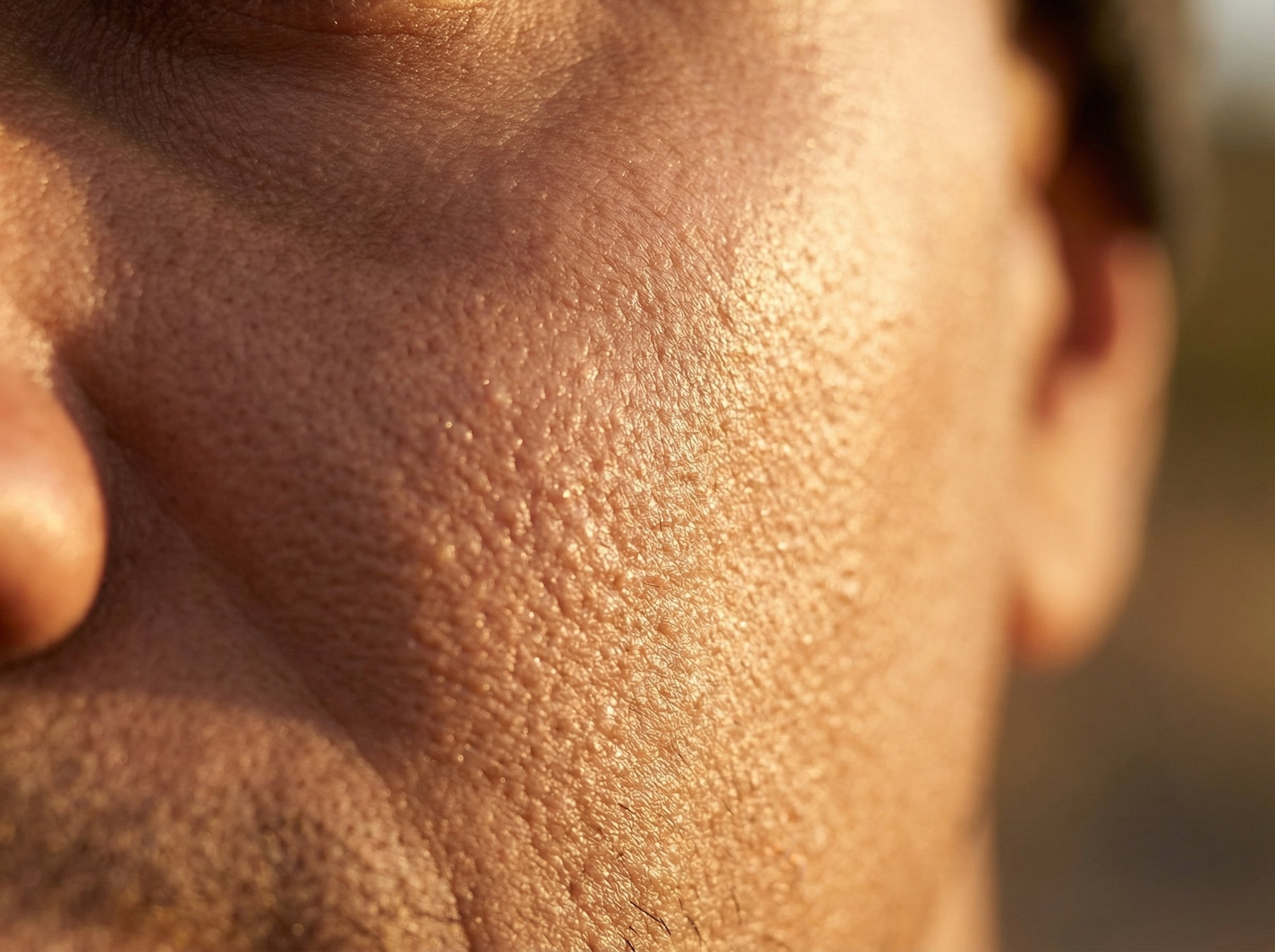
Collagen production slows further. Skin cell turnover becomes less efficient. The result is skin that looks duller, feels less plump, and loses some of its density.
Research published in the Journal of Investigative Dermatology has shown that skin blood flow can drop by up to 40% in cold conditions compared to warm ones. That is a major reduction in oxygen delivery to your skin cells. Over weeks and months of cooler weather, this adds up. You may notice your skin looks flatter in winter photos than in summer ones, and now you know why.
This also explains why your skin may feel less firm just in autumn, even if nothing else in your routine has changed. The shift is real, it is measurable, and it is tied to temperature and circulation, not just to the number of candles on your birthday cake. Learn more about what happens to your skin in winter and how the seasonal shift affects more than just moisture levels.
Key Takeaways
- As temperatures drop in autumn, your body pulls blood away from your skin's surface to protect your core.
- This reduces oxygen delivery to skin cells, which slows collagen support and affects skin density and firmness.
- This seasonal circulatory shift is separate from intrinsic ageing, which is driven by genetics and time.
- Understanding both helps you support your skin through each season.
- Lifestyle choices like movement, nutrition, and sleep all influence how well your skin handles these changes.
What Is Skin Oxygenation and Why Does It Matter for Ageing?
Oxygenation is the process of delivering oxygen to your skin cells through the blood. Skin cells need oxygen to produce energy, repair damage, and build new proteins like collagen. When oxygen supply drops, cellular repair slows. Waste products build up in the tissue. The skin's ability to renew itself becomes less efficient.
Think of it like a garden. Water and sunlight are to plants what blood and oxygen are to your skin cells. Pull back the supply, and growth slows. The garden doesn't die, it just becomes less vibrant, less dense, less resilient. Your skin behaves the same way in cooler months when circulation is reduced.
Poor oxygenation also affects your skin's natural desquamation process, that's just the term for how your skin sheds old cells and reveals fresh ones underneath. When cell turnover slows, old cells sit on the surface longer. This helps to the dull, flat look that many people notice in autumn and winter. Supporting circulation is one of the most effective ways to keep this process moving at a healthy pace.
What Is the Difference Between Skin Density and Skin Hydration?
These two things are often confused, and the confusion leads to people reaching for the wrong support. Skin hydration refers to water content in the skin. It affects how plump and bouncy your skin feels when you press it gently. Skin density refers to the thickness and structural integrity of your skin, how much collagen and elastin scaffolding exists beneath the surface.

Autumn affects both, but in different ways. Cold air holds less moisture than warm air, so your skin loses hydration faster through the outer skin layer (the epidermis). At the same time, reduced circulation means less support for the deeper structural proteins, so density drops too. You can restore hydration fairly quickly. Density takes longer to support and requires a more consistent approach over time.
This is why a moisturiser alone may not be enough when your skin feels thinner or less firm in cooler months. You are addressing one part of the picture. The structural side needs support too, through circulation, nutrition, sleep, and consistent skincare habits that work at a deeper level. Understanding the difference between dry and dehydrated skin is a great place to start when working out what your skin actually needs.
Does Lifestyle Actually Influence How Your Skin Ages?
Yes, and the science on this is clear. Lifestyle factors do not stop intrinsic ageing, but they have a real and measurable effect on how your skin looks and functions as you age. Movement is one of the most powerful tools you have. Exercise increases heart rate and blood flow, which delivers more oxygen to your skin cells. Even a 30-minute walk raises cutaneous blood flow and supports cellular repair.
Sleep is another major factor. Your skin does most of its repair work at night, when growth hormone peaks and cellular renewal accelerates. Consistently poor sleep reduces this repair window. Research from Case Western Reserve University found that poor sleepers showed more signs of skin ageing and slower recovery from environmental stressors than good sleepers. Your circadian rhythm plays a direct role in your skin's repair cycle, understanding it changes how you think about your evening routine.
Nutrition also matters. Vitamin C is essential for collagen production. Zinc supports wound healing and cell repair. Omega-3 fatty acids help maintain the lipid layer that keeps moisture in.
These are not optional extras. They are the raw materials your skin cells use to do their jobs. In autumn, when circulation is already reduced, good nutrition becomes even more important as a source of internal support.
How Does Stress Affect Skin Firmness as You Age?
Stress triggers the release of cortisol, a hormone that, in high amounts, breaks down collagen. Short bursts of stress are normal and manageable. But chronic stress, the kind that runs in the background of a busy life for weeks or months, causes sustained cortisol elevation. Over time, this accelerates the loss of skin density and firmness.
Cortisol also affects your skin's barrier function. A weaker barrier means more water loss, more sensitivity, and slower recovery from environmental damage. In autumn, when your skin is already managing reduced circulation and drier air, high stress compounds the challenge. Your skin is dealing with more while having access to fewer resources.
This is not about adding guilt to an already full plate. It is about understanding that your skin does not exist in isolation from the rest of your life. What you carry emotionally and mentally shows up physically over time. Managing stress, even imperfectly, is a genuine form of skin support. See how stress directly affects your skin and what the research says about the connection.
Can You Support Skin Firmness Through Autumn Without Products?
Absolutely. The foundations of skin firmness are largely lifestyle-based, and autumn is a great time to reinforce them. Movement that raises your heart rate improves circulation and oxygen delivery to your skin. Even 20 to 30 minutes of brisk walking each day makes a measurable difference over weeks. It is one of the most underrated skin tools available.
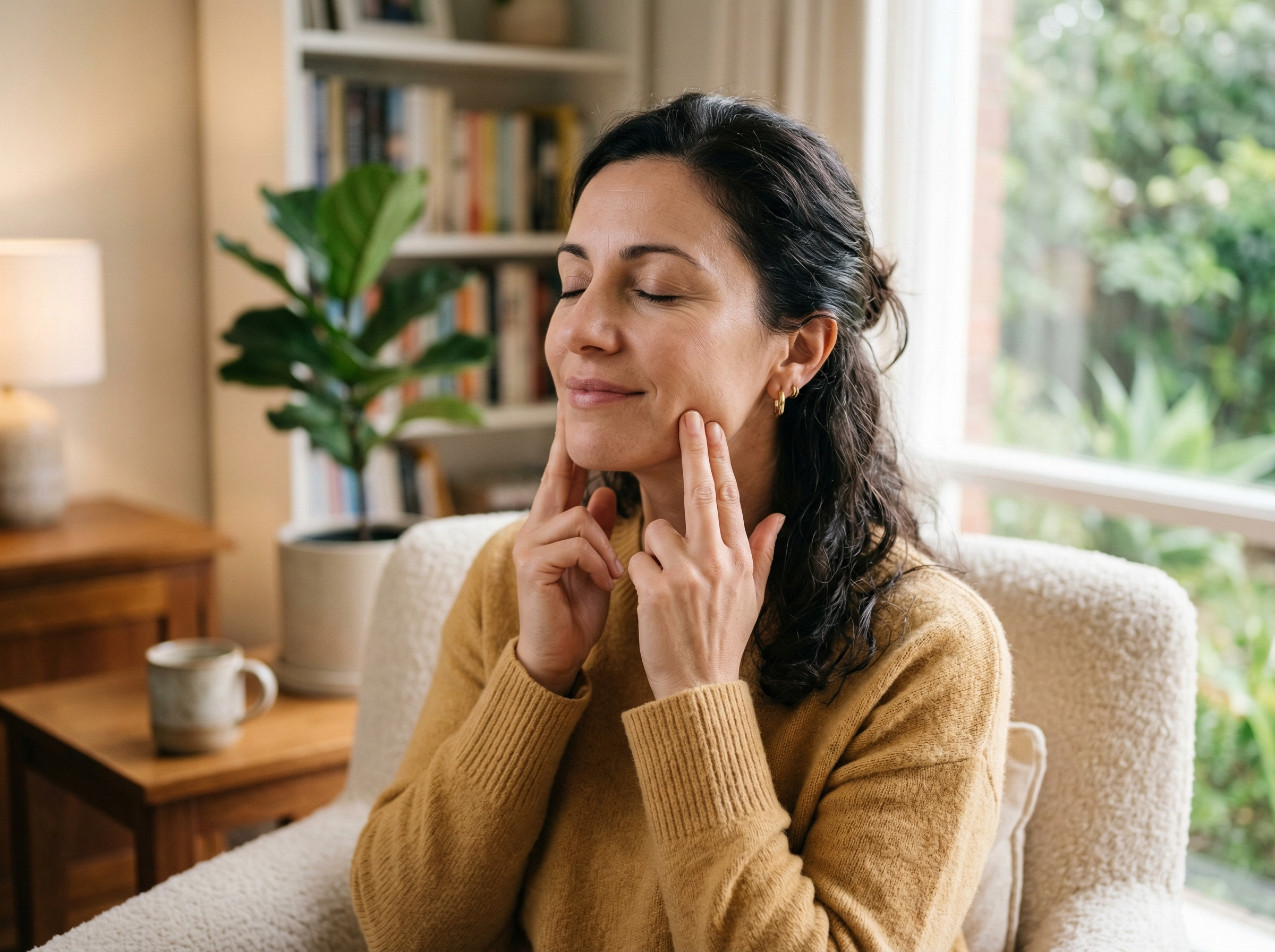
Facial massage is another effective option. Gentle upward strokes along the jawline, cheeks, and forehead encourage lymphatic drainage and blood flow. Research supports its role in for now improving skin tone and reducing puffiness. It takes about five minutes and costs nothing. Consistency matters more than intensity here.
Warmth also helps. Not in an extreme sense, but maintaining a comfortable body temperature through autumn supports peripheral circulation. Cold showers have their advocates, but for people whose skin is already losing firmness, the brief boost from warm water followed by a cool rinse is a more balanced approach. The goal is to keep blood moving to the surface, not to shock the system.
Autumn is not the enemy of your skin. It is simply a season that asks more of it. Cooler temperatures reduce circulation and oxygen delivery. Intrinsic ageing continues its quiet work. The two processes overlap, and the result is skin that needs a little more support to stay firm, dense, and healthy through the cooler months.
The good news is that much of what your skin needs in autumn is within your control. Movement, sleep, nutrition, stress management, and an understanding of what is actually happening beneath the surface, these are powerful tools. You are not fighting a losing battle. You are learning to work with your skin's biology rather than against it. That is the kind of knowledge that makes a real difference over time.


