
Your skin is shiny by midday, but it feels tight after cleansing. You reach for mattifying products, but the tightness gets worse. You try richer moisturisers, but the oil production doesn't budge. If this sounds familiar, you're having one of skincare's most frustrating contradictions: the dehydration paradox.
Here's what's actually happening: dehydration and oiliness aren't opposites, they're often partners. Your skin can produce excess oil while also lacking water, creating that confusing combination of shine and tightness. Understanding this distinction changes everything about how you approach your routine, because the solution isn't about controlling oil or adding more moisture, it's about repairing the barrier that's letting water escape in the first place.
What's the Difference Between Dry Skin and Dehydrated Skin?
This is where most confusion starts. Dry skin is a skin type, a genetic tendency to produce less sebum (oil). Dehydrated skin is a skin condition, a temporary state where your skin lacks water, regardless of how much oil it produces.
You can have oily skin that's dehydrated. You can have dry skin that's well-hydrated. The two operate on different axes entirely. Dry skin needs lipids (oils and fatty acids) to supplement what it doesn't produce naturally. Dehydrated skin needs water-binding ingredients (humectants) and barrier repair to prevent water loss.
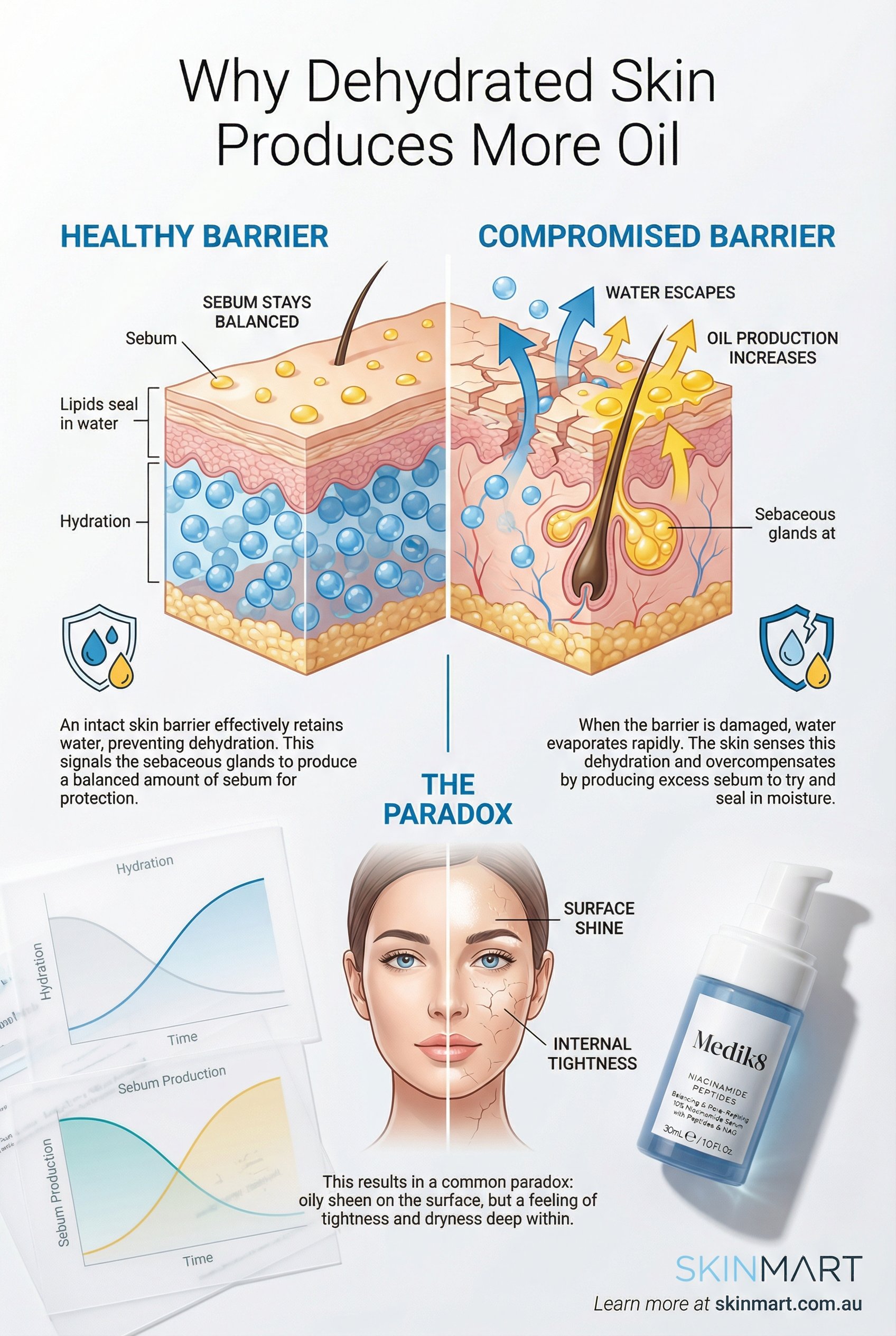
The tightness you feel? That's dehydration. The shine you see? That's often your skin overcompensating, producing more oil in an attempt to seal in whatever moisture remains. When your barrier is compromised, your skin loses water through a process called transepidermal water loss (TEWL). In response, your sebaceous glands ramp up oil production, trying to create a protective seal. The result: you're shiny and tight at the same time.
Why Does Dehydration Make Skin Produce More Oil?
Your skin is very intelligent. When it detects water loss, it triggers a cascade of responses designed to protect itself. One of those responses is increased sebum production, your skin's attempt to create an occlusive barrier that prevents further moisture escape.
But here's the problem: oil and water don't mix. Surface oil can't replace the water your skin has lost internally. It's like putting a tarp over dry soil, you've created a barrier, but you haven't addressed the underlying drought. This is why oil-control products often backfire for dehydrated skin. You're removing the very thing your skin is producing to protect itself, which signals your sebaceous glands to produce even more.
The real culprit is barrier dysfunction. Your skin barrier, the outermost layer of your stratum corneum, is held together by lipids (ceramides, cholesterol, and fatty acids) that form a protective seal. When this barrier is compromised by over-cleansing, harsh actives, environmental stress, or simply genetics, water escapes faster than your skin can replenish it. The tighter your skin feels, the more compromised your barrier likely is.
Key Takeaways
- Oily yet tight skin signals dehydration, not dryness.
- When your skin barrier is compromised, water escapes while oil production increases to compensate.
- This creates the paradox: surface shine with underlying tightness.
- The solution isn't oil control or heavy moisturising, it's barrier repair with humectants like niacinamide and hyaluronic acid that hold water in skin while regulating sebum.
- This addresses the root cause rather than just managing symptoms.
How Can You Tell If Your Skin Is Dehydrated?
Beyond the obvious tight-yet-oily paradox, dehydrated skin has specific tells. Look for fine dehydration lines, these are different from expression lines or deeper wrinkles. They're superficial, crepey lines that appear across your forehead, around your eyes, or on your cheeks. They become more visible when you smile or make facial expressions, and they can appear even in your twenties.
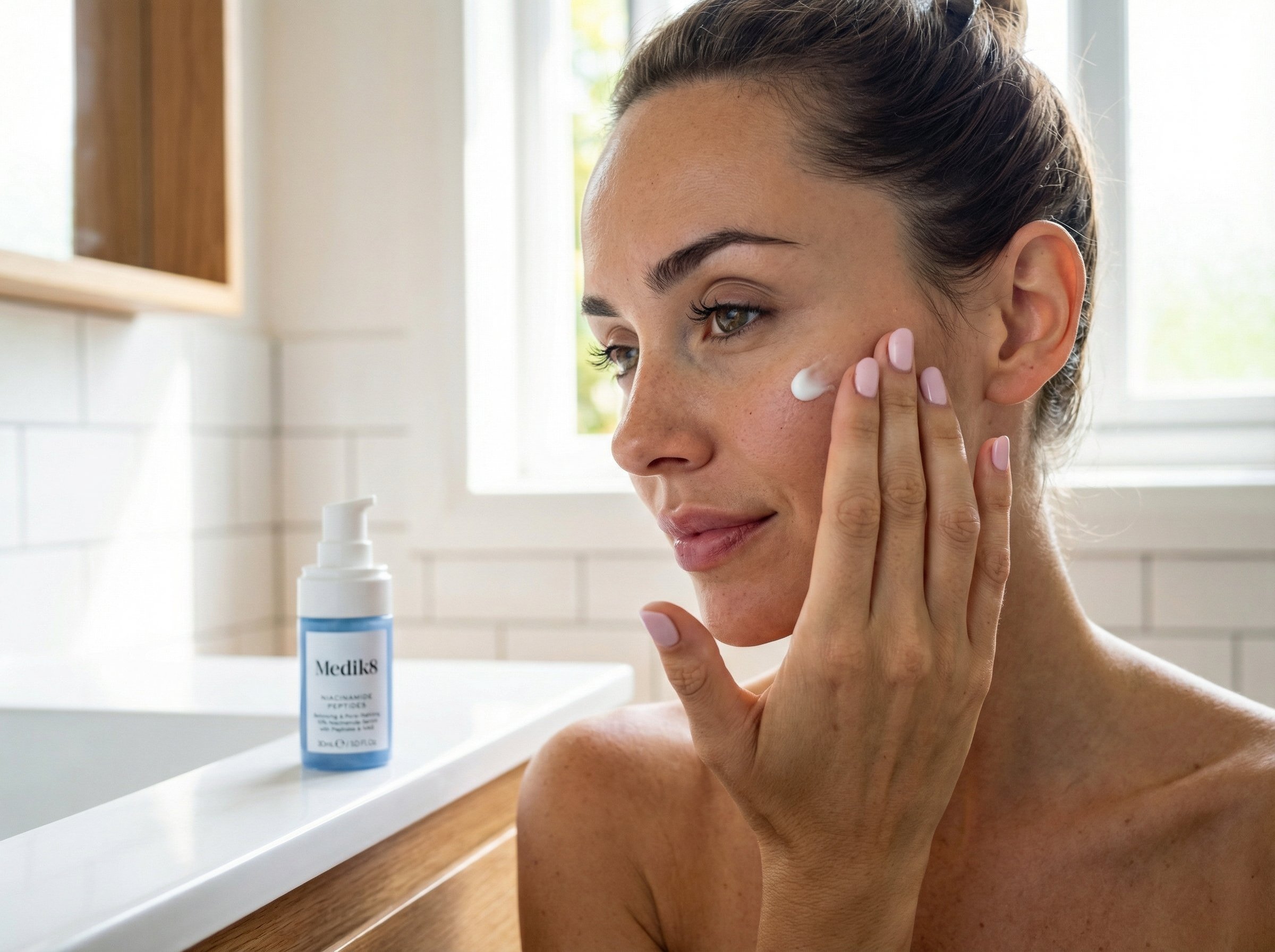
Your skin might also show increased sensitivity. When your barrier is compromised and water levels are low, irritants reach more easily. Products that used to work fine suddenly sting. Your skin reacts to changes in temperature or wind. You might notice redness or a feeling of reactivity that wasn't there before.
Another sign: your skin drinks up products right away, but the relief doesn't last. You apply moisturiser and within an hour, you feel tight again. That's because you're adding moisture to the surface without addressing the barrier dysfunction that's letting water escape. It's like filling a bucket with holes, no matter how much you pour in, it won't stay full until you repair the structure.
The pinch test can also be revealing. Gently pinch the skin on your cheek or the back of your hand. If it doesn't bounce back right away and instead holds the pinched shape for a moment, that's a sign of dehydration. Well-hydrated skin is plump and elastic.
What Actually Fixes Dehydrated Skin?
The solution operates on two levels: immediate hydration and long-term barrier repair. You need ingredients that pull water into your skin and ingredients that prevent that water from escaping.
Start with humectants, ingredients that attract and bind water. Hyaluronic acid is the most well-known, capable of holding up to 1000 times its weight in water. But here's what matters: you need multiple molecular weights of hyaluronic acid. High molecular weight sits on the surface, creating immediate plumping. Low molecular weight reaches deeper, hydrating from within. Look for products that specify multi-weight or multi-molecular hyaluronic acid.
Niacinamide is equally critical, but for different reasons. At amounts of 2-5%, niacinamide strengthens your barrier by stimulating ceramide production, those lipids that hold your barrier together. It also regulates sebum production, which means it addresses both sides of the dehydration paradox: it helps your skin retain water while normalising oil output. This is why niacinamide is often called a 'barrier multitool', it doesn't just add hydration, it helps your skin maintain it.
The Medik8 Niacinamide Peptides combines both approaches: 10% niacinamide for barrier strengthening and sebum regulation, paired with multi-weight hyaluronic acid for immediate and sustained hydration. The peptide component (Matrixyl 3000) supports the structural proteins that give skin its plumpness, addressing the appearance of those fine dehydration lines over time.
But even the best serum won't work if you're undermining your barrier elsewhere in your routine. Avoid harsh foaming cleansers that strip your skin, these remove not just oil but also the natural moisturising factors (NMFs) your skin needs to hold water. Switch to a gentle, pH-balanced cleanser that cleans without that tight, squeaky feeling. If your skin feels tight after cleansing, your cleanser is too harsh for your current barrier state.

Featured: Niacinamide Peptides
Clinically proven 10% niacinamide serum that dramatically improves the look of pores and congestion while soothing the skin barrier.
Shop Now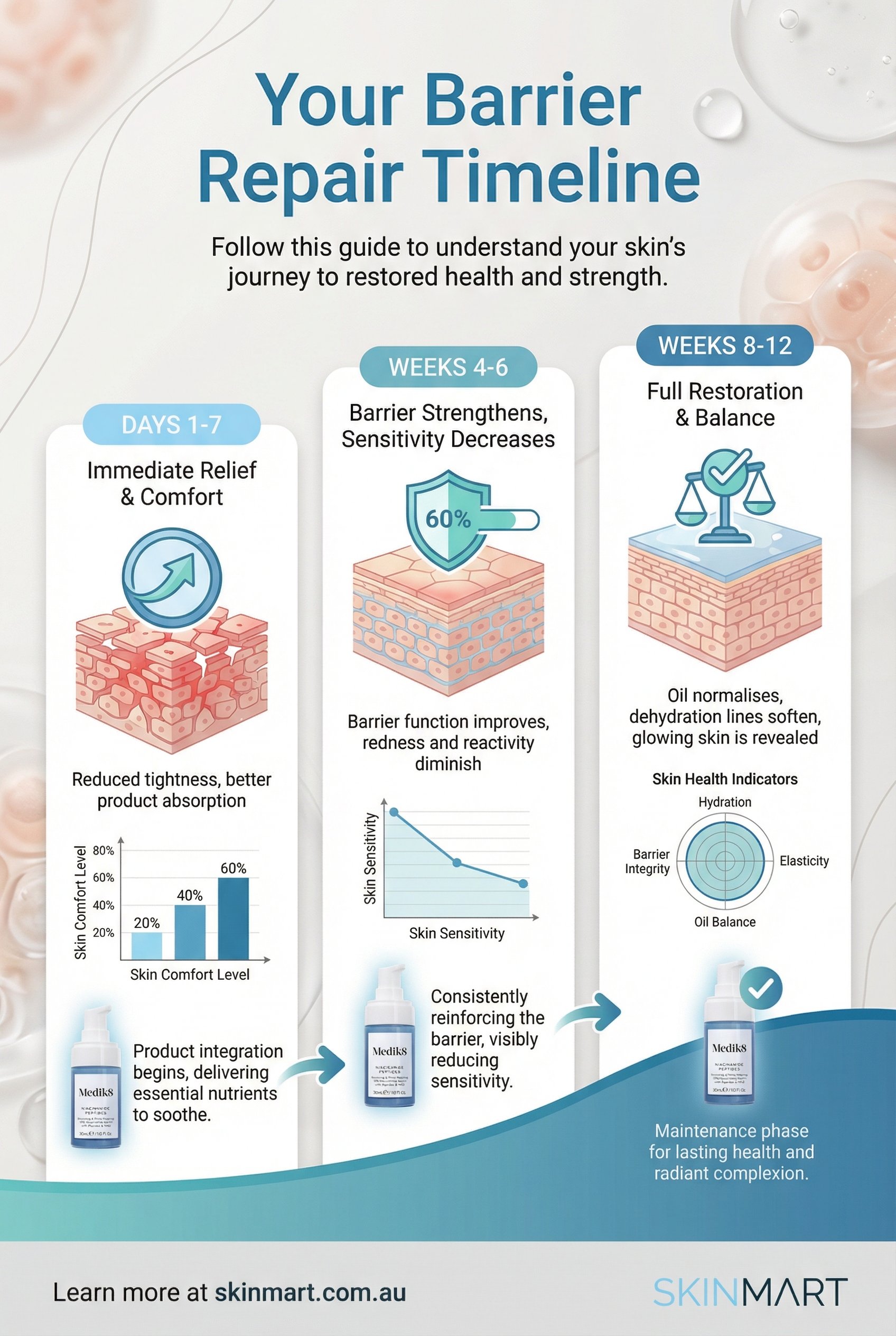
How Long Does It Take to Rehydrate Your Skin?
This depends on the severity of your barrier dysfunction and how consistently you address it. Immediate improvements, reduced tightness, better product absorption, can happen within days as humectants start pulling water into your skin. You'll notice your skin feels more comfortable and looks less dull.
Barrier repair takes longer because you're rebuilding the lipid structure that holds everything together. Most people see major improvement in 4-6 weeks with consistent use of barrier-supporting ingredients like niacinamide and ceramides. The fine dehydration lines start to soften, sensitivity decreases, and that tight-yet-oily paradox begins to resolve.
Full barrier restoration can take 8-12 weeks, especially if your barrier has been compromised for months or years. But here's what's encouraging: the improvements are cumulative. Each week, your barrier gets slightly stronger, your skin holds water more well, and your sebaceous glands start to normalise their output. You're not just managing symptoms, you're addressing the underlying dysfunction.
Consistency matters more than perfection. A simple routine done daily will outperform an elaborate routine done sporadically. Your barrier repairs itself during your sleep cycle, so evening use of barrier-supporting products gives your skin the raw materials it needs when it's most receptive.
What Should You Avoid When Your Skin Is Dehydrated?
The instinct when your skin is oily is to use stronger cleansers, more frequent exfoliation, and mattifying products. When your skin is dehydrated, this approach makes everything worse. Over-cleansing strips away the lipids your barrier needs. Excessive exfoliation, whether physical scrubs or daily acids, removes the outer layer faster than your barrier can repair itself.
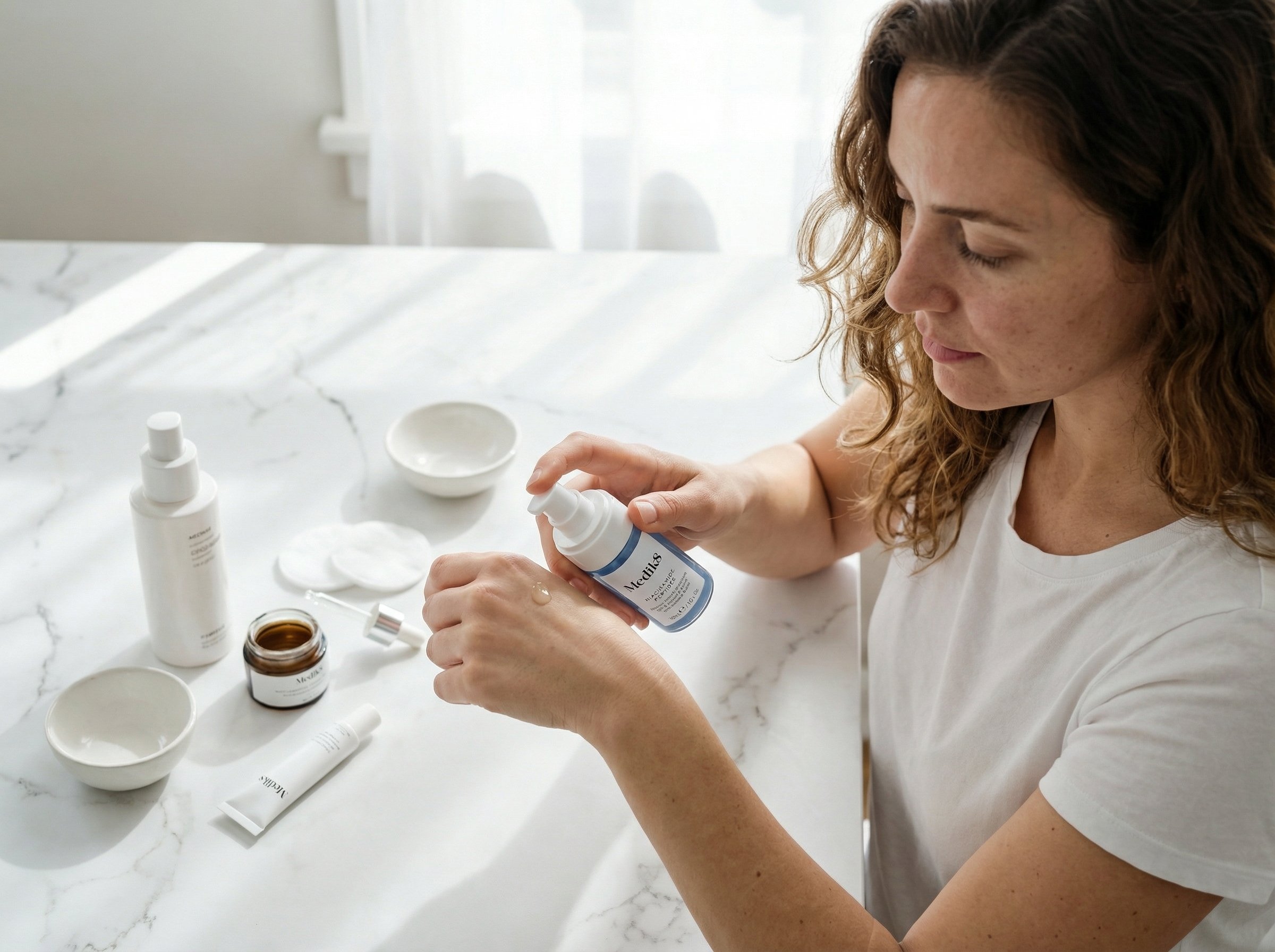
Alcohol-heavy toners and astringents feel refreshing in the moment but cause further water loss. Same with heavily fragranced products, fragrance compounds can disrupt barrier lipids and increase sensitivity. If your skin is already compromised, these ingredients add insult to injury.
Even some seemingly helpful ingredients can be problematic timing-wise. Strong retinoids and high-percentage acids are powerful tools, but if your barrier is compromised, they'll cause more irritation than benefit. Get your barrier stable first, then introduce actives gradually. A compromised barrier can't tolerate what healthy skin handles easily.
Hot water is another hidden culprit. It feels soothing, but it strips your skin's natural lipids and increases TEWL. Cleanse with lukewarm water and pat dry gently, rubbing with a towel creates micro-damage that further compromises your barrier.
Can You Prevent Dehydration From Returning?
Once you've repaired your barrier and resolved the dehydration paradox, maintenance becomes about consistent barrier support rather than aggressive intervention. This means keeping niacinamide and humectants as permanent fixtures in your routine, not just rescue products you use when things go wrong.
Your environment matters more than you might think. Air conditioning, heating, and low humidity all increase TEWL. If you work in a climate-controlled office or live in a dry climate, a humidifier in your bedroom helps your skin maintain hydration overnight. It's a simple change that compounds over time.
Internal hydration supports external hydration, your skin is an organ, and like all organs, it needs adequate water intake to function ideally. But here's the nuance: drinking more water won't fix dehydrated skin if your barrier is compromised. You need both: adequate water intake and a functional barrier to retain it.
Pay attention to seasonal changes. Your skin's needs shift with the weather. The routine that works in humid summer might need adjustment in dry winter. This doesn't mean overhauling everything, it might just mean adding an extra layer of hydration or switching to a slightly richer moisturiser when temperatures drop. Flexibility within consistency is the goal.
The Takeaway:, learn to read your skin's signals. That tight feeling after cleansing? That's feedback. Increased sensitivity to products that used to work fine? That's feedback. Your skin is constantly communicating its state, the key is learning its language and responding before minor dehydration becomes chronic barrier dysfunction.
The oily-yet-tight paradox isn't a contradiction, it's your skin's distress signal. When your barrier is compromised and water escapes faster than your skin can replenish it, increased oil production is the compensatory response. This means the solution isn't about controlling oil or adding heavier moisturisers, it's about repairing the barrier dysfunction that's causing water loss in the first place.
This changes everything about how you approach your routine. Instead of fighting your skin's oil production, you support the barrier that regulates it. Instead of piling on moisture that won't stay, you address the structural issues that prevent retention. The right combination of humectants and barrier-repair ingredients doesn't just manage symptoms, it resolves the underlying cause.
Your skin is capable of regulating itself beautifully when given the right support. The tight-yet-oily state you're having isn't permanent, it's feedback. And now you know how to respond. Shop the Medik8 Niacinamide Peptides to start addressing both sides of the dehydration paradox with barrier-strengthening niacinamide and multi-weight hydration.


