
If you've noticed your skin behaving differently lately, more reactive, oilier in some areas, breaking out in places it never used to, you're not imagining it. Hormonal shifts, stress, and even changes in your environment can trigger both swelling and increased oil production, creating the perfect conditions for acne to take hold.
Here's what matters: acne isn't just about clogged pores. It's an causing swelling condition, which means calming that swelling while managing oil production gives you the clearest path to improvement. Understanding how these two factors work together, and against your skin, changes everything about how you approach treatment.
Why Does Acne Become Inflamed in the First Place?
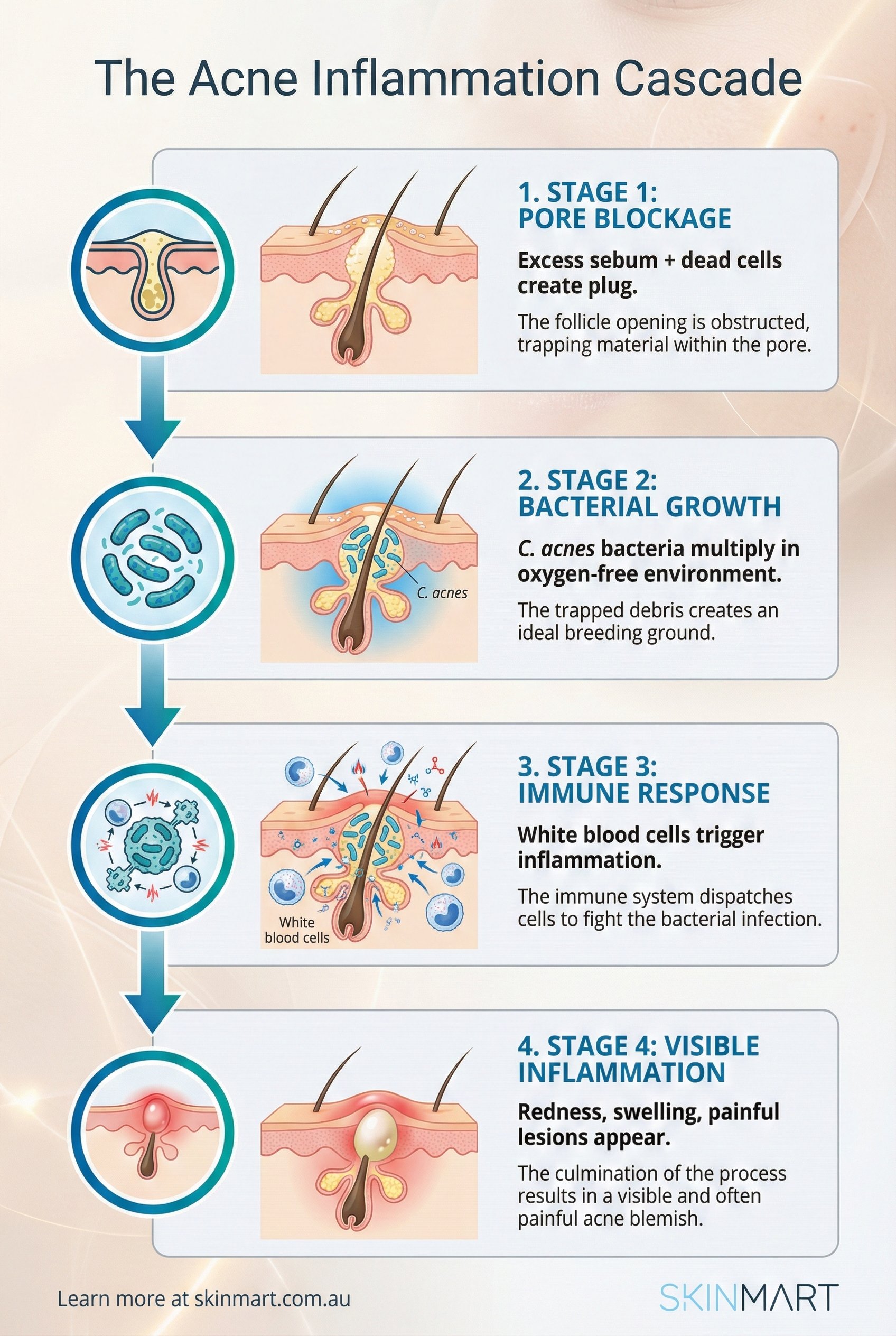
Acne swelling starts deep in your pores, not on your skin's surface. When excess sebum (your skin's natural oil) combines with dead skin cells, it creates a plug that blocks the pore. Bacteria called Cutibacterium acnes thrive in this oxygen-free environment, multiplying rapidly and triggering your immune system's response.
Your body sends white blood cells to fight the bacteria, which causes the redness, swelling, and tenderness you recognise as inflamed acne. The more swelling, the more likely you'll feel painful cystic breakouts rather than simple blackheads or whiteheads.
What complicates this for many people in their 30s and 40s is hormonal fluctuation. As oestrogen levels shift, whether due to perimenopause, stress, or other factors, androgens can become more dominant. These hormones stimulate your sebaceous glands to produce more oil, creating a cascade effect: more oil, more blockages, more swelling, more visible breakouts.
This explains why treatments that only target surface bacteria or oil often fall short. You need to address the swelling itself while regulating oil production at its source.
Which Anti-causing swelling Ingredients Actually Make a Difference?
Not all acne treatments calm inflammation, some can actually make it worse by over-drying or irritating your skin. The most effective anti-causing swelling ingredients work by interrupting the causing swelling cascade while supporting your skin's natural healing processes.
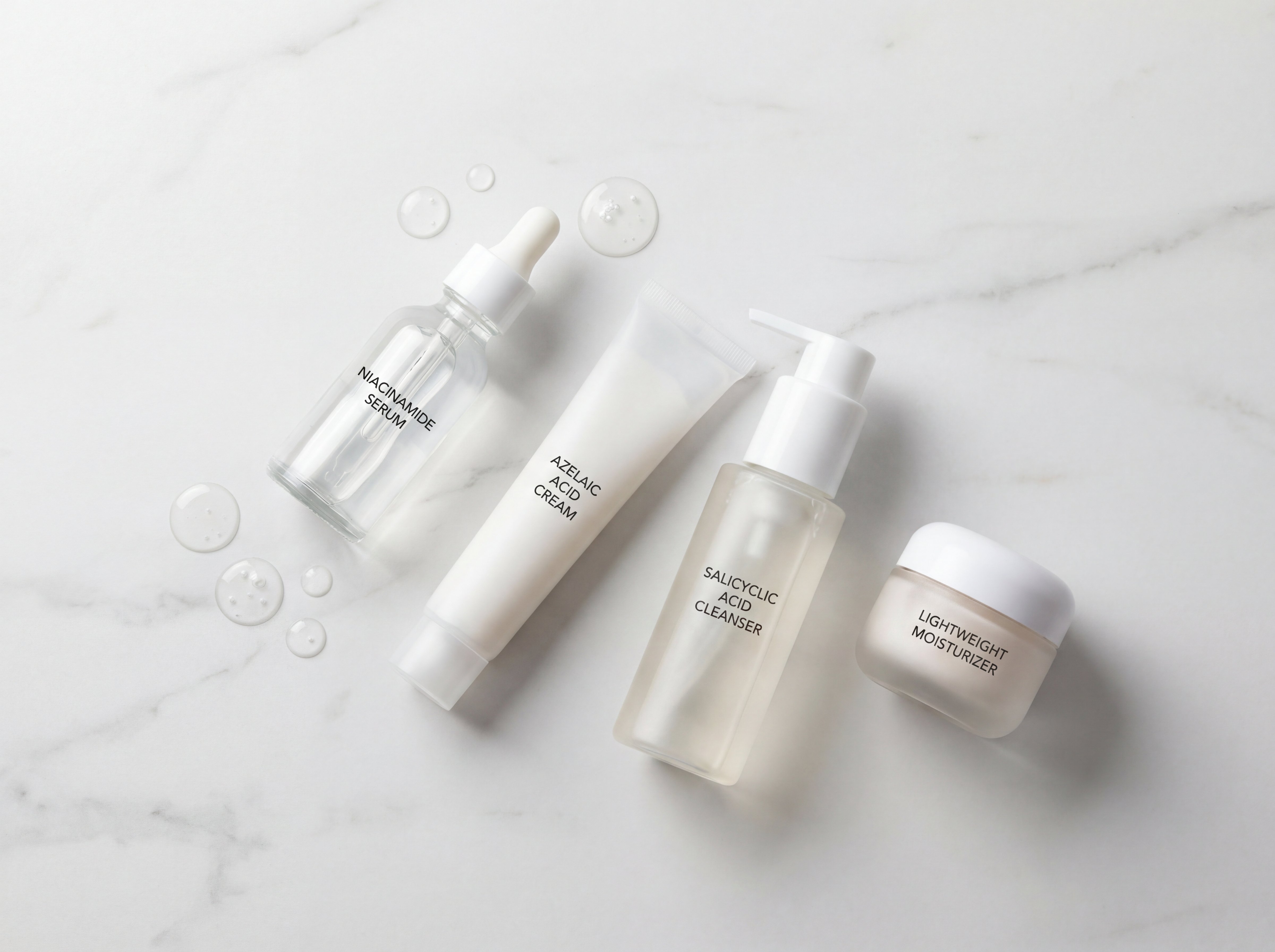
Niacinamide (Vitamin B3) stands out as one of the most versatile anti-causing swelling actives for acne-prone skin. At amounts of 4-5%, it reduces causing swelling lesions, regulates sebum production, and strengthens your skin barrier. Studies show it can be as effective as topical antibiotics without the risk of bacterial resistance. It also helps fade the post-causing swelling hyperpigmentation that often lingers after breakouts heal.
Azelaic acid offers a triple benefit: it's anti-causing swelling, antibacterial, and helps normalise keratinisation (the process of skin cell turnover). This means it prevents pore blockages while actively reducing existing swelling. It's especially effective for hormonal acne and works well for sensitive skin that can't tolerate stronger actives.
Centella asiatica (also called cica or gotu kola) has been used in traditional medicine for centuries to heal wounds and reduce swelling. Modern research confirms it accelerates healing, reduces redness, and helps prevent scarring, crucial for causing swelling acne that can leave lasting marks.
Green tea extract and resveratrol provide protective protection while calming swelling. They help neutralise the free radicals generated during causing swelling responses, preventing further damage to surrounding tissue.
The key is consistency. Anti-causing swelling ingredients typically show initial improvements within 4-6 weeks, with continued progress over 3-4 months of regular use.
Key Takeaways
- Reducing acne swelling requires a two-pronged approach: calming existing irritation while regulating oil production.
- Key anti-inflammatory ingredients like niacinamide, azelaic acid, and centella asiatica reduce redness and swelling, while salicylic acid and zinc help control sebum.
- Gentle cleansing twice daily, avoiding over-drying products, and supporting your skin barrier creates the foundation for clearer, calmer skin.
How Do You Control Sebum Without Stripping Your Skin?
Here's the paradox that trips up many people: aggressively stripping oil from your skin often triggers your sebaceous glands to produce more oil to compensate. Your skin interprets the dryness as a threat and ramps up production, creating a frustrating cycle of over-cleansing and increased oiliness.
Effective sebum control works with your skin's natural regulation systems, not against them. Salicylic acid remains the gold standard for managing oil because it's lipid-soluble, it can reach into oil-filled pores to dissolve blockages and slow down sebum production. At amounts of 0.5-2%, it exfoliates inside the pore while reducing swelling on the surface.
Zinc (especially zinc PCA in topical formulas) directly inhibits the enzyme 5-alpha reductase, which converts testosterone into its more potent form, DHT. Since DHT stimulates sebaceous glands, reducing its activity helps control oil at the source. Zinc also has anti-inflammatory and antibacterial properties, making it especially valuable for inflammatory acne.
Niacinamide appears again here because it regulates sebum production by reducing the size and activity of sebaceous glands. Studies show a 30-50% reduction in sebum excretion rate after 8-12 weeks of consistent use.
What's equally important is what you don't use. Harsh foaming cleansers with sulfates, astringent toners with high alcohol content, and mattifying products with heavy silicones often backfire. They strip your skin's protective barrier, triggering swelling and reactive oil production, exactly what you're trying to avoid.
Instead, opt for gentle, pH-balanced cleansers that remove excess oil without compromising your skin barrier. Look for gel or light foam formulas with calming ingredients alongside oil-control actives.
What Does an Effective Anti-Inflammatory Routine Look Like?
Building a routine that addresses both inflammation and oil control requires strategic layering, applying products in an order that maximises their effectiveness while minimising irritation.
Morning routine foundation: Start with a gentle cleanser containing salicylic acid (0.5-1%) to remove overnight oil buildup without stripping. Follow with a niacinamide serum (4-5%) to regulate oil production and calm any existing swelling. If your skin tolerates it, add a lightweight azelaic acid treatment to areas prone to breakouts. Finish with an oil-free, broad-spectrum SPF 30+, sun exposure worsens swelling and darkens post-acne marks.
Evening routine strategy: Double cleanse if you wear makeup or sunscreen, start with a gentle oil or micellar water to dissolve surface debris, then follow with your salicylic acid cleanser. Apply your treatment products on clean, dry skin: niacinamide first, then azelaic acid or a retinoid if your skin tolerates it (retinoids help normalise cell turnover and reduce swelling over time). Finish with a lightweight, non-comedogenic moisturiser, even oily skin needs hydration to maintain barrier function.
The spot treatment question: For active, inflamed breakouts, targeted treatments with higher amounts of anti-causing swelling ingredients can help. Look for formulas combining niacinamide, zinc, and centella asiatica. Apply directly to inflamed areas after your serum but before moisturiser.
What's crucial is giving your routine time to work. Your skin needs 4-6 weeks to show initial improvement, and 3-4 months for major transformation. Switching products every few weeks prevents you from seeing real results and can increase irritation.

Featured: Medik8 Niacinamide Peptides
Discover how Medik8 Niacinamide Peptides can help with your skincare routine.
Shop Now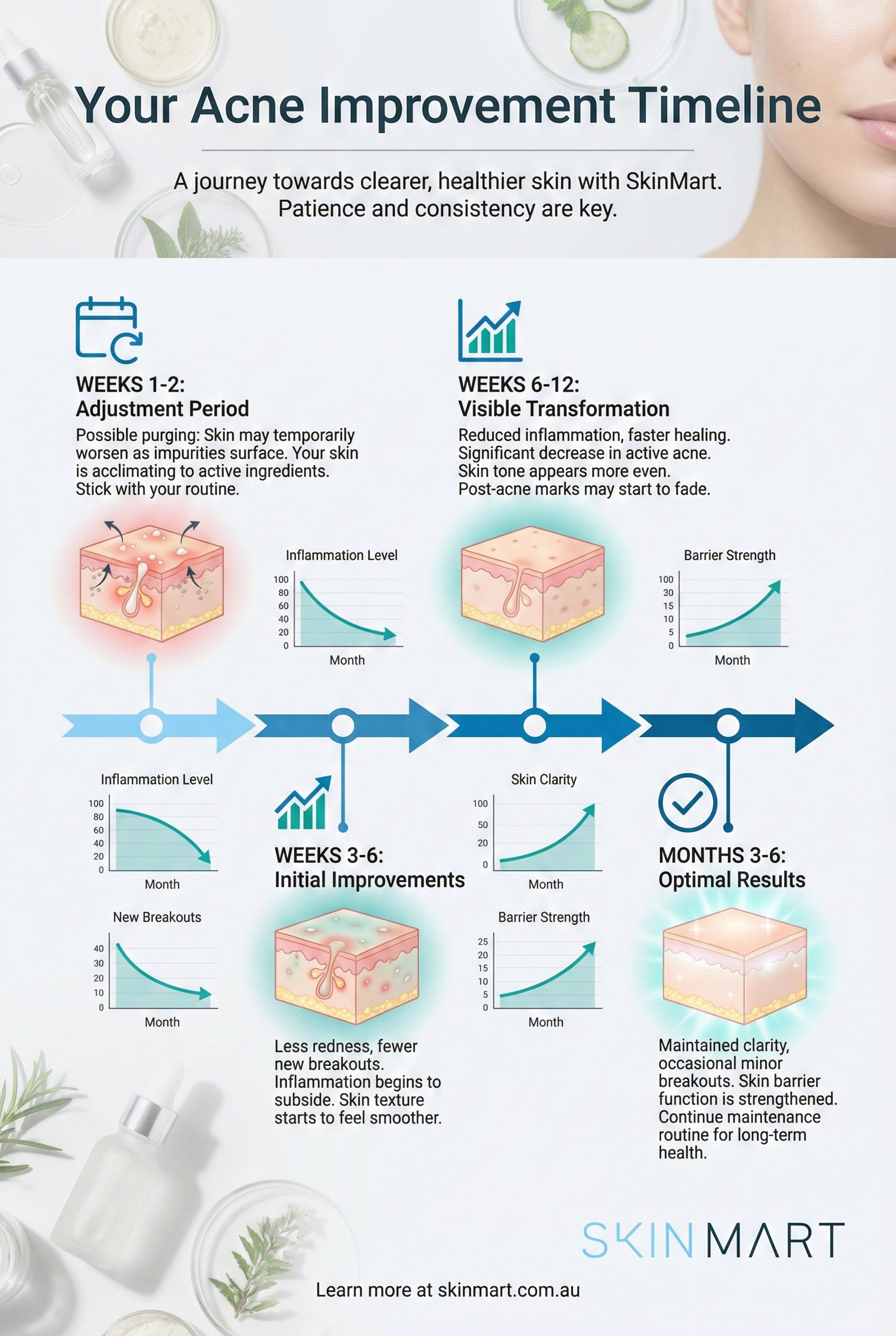
Which Lifestyle Factors Influence Inflammation and Oil Production?
Your skincare routine matters enormously, but it's not the complete picture. Several lifestyle factors directly influence both inflammation levels and sebum production, addressing these can accelerate your progress greatly.
Blood sugar regulation plays a surprisingly large role in acne. High-glycaemic foods (refined carbohydrates, sugary drinks, processed snacks) spike insulin levels, which increases androgen production and triggers sebaceous glands to produce more oil. This doesn't mean you need a restrictive diet, but being mindful of blood sugar balance, choosing complex carbohydrates, pairing carbs with protein and healthy fats, avoiding blood sugar crashes, can reduce hormonal triggers for breakouts.
Stress management isn't just about feeling calmer, chronic stress elevates cortisol, which increases swelling throughout your body, including your skin. Cortisol also stimulates oil production and can worsen existing breakouts. Finding sustainable stress reduction practices (whether that's regular movement, meditation, adequate sleep, or simply protecting time for yourself) has measurable effects on skin swelling.
Sleep quality directly affects inflammation markers. During deep sleep, your body produces anti-inflammatory cytokines and repairs cellular damage. Consistently poor sleep (less than 7 hours or often disrupted) keeps inflammation elevated and impairs your skin's healing capacity. If you're treating acne but not prioritising sleep, you're working against yourself.
Gut health and inflammation are increasingly recognised as being interconnected. An imbalanced gut microbiome can increase systemic swelling, which manifests in your skin. While the research is still evolving, supporting gut health through diverse fibre intake, fermented foods, and limiting gut irritants often correlates with improved skin clarity.
None of these factors work in isolation, they compound. Addressing multiple lifestyle elements alongside your topical routine creates the conditions for lasting improvement rather than temporary suppression.
When Should You Expect to See Improvement?
Setting realistic expectations prevents the frustration that leads many people to abandon effective treatments too soon. Acne improvement follows a predictable timeline, though individual variation exists.

Weeks 1-2: You likely won't see visible improvement yet, and you might feel a brief adjustment period as active ingredients begin working. Some people notice slight purging (increased breakouts) as salicylic acid clears existing blockages deep in pores. This is temporary and indicates the product is working.
Weeks 3-6: Initial improvements become noticeable. New breakouts may be less frequent, existing swelling begins to calm, and overall redness often reduces. Oil production might start to normalise, though this varies greatly between individuals.
Weeks 6-12: Visible transformation occurs. Breakout frequency decreases noticeably, causing swelling lesions heal faster, and post-acne marks begin to fade. Your skin's overall texture and tone improve as cell turnover normalises.
Months 3-6: Continued refinement and maintenance. Most people reach their best improvement by this point, with occasional minor breakouts rather than persistent swelling. This is when you can assess whether additional treatments (like professional treatments or prescription options) might benefit you.
What disrupts this timeline? Inconsistent product use, often switching products, over-treating (using too many actives too quickly), and not addressing lifestyle factors all slow progress. Patience and consistency, genuinely giving your routine 8-12 weeks before making changes, is often the difference between success and ongoing frustration.

Featured: ASAP Clear Complexion Gel
Dual AHA/BHA exfoliation clears both surface and within-pore congestion
Shop NowReducing acne inflammation and controlling oil production isn't about aggressive intervention, it's about strategic, consistent care that works with your skin's natural processes. Anti-inflammatory ingredients like niacinamide, azelaic acid, and centella asiatica calm existing irritation, while salicylic acid and zinc regulate sebum at its source.
You're not just treating symptoms. You're addressing the underlying inflammatory cascade and hormonal triggers that create the conditions for acne. Combined with lifestyle factors that reduce systemic swelling, blood sugar balance, stress management, quality sleep, this approach creates lasting improvement rather than temporary suppression.
Give your routine 8-12 weeks of consistent use before making major changes. Your skin is responding even when you can't see it yet, and the transformation that happens between weeks 6 and 12 is worth the patience. You're building the foundation for clearer, calmer skin that lasts.


